 Ships Canada-wide
Cork flooring for basements
A warmer, quieter surface for below-grade family rooms, studios, and finished spaces.
Install approved vapour protection first and choose a floating / click-lock floor for basements.
Cork feels warmer than tile or bare concrete in finished basements.
Use approved vapour protection over a dry, flat slab, then install a floating / click-lock floor.
Glue-down tile needs a plywood subfloor above the vapour barrier; ask us to review that assembly.
Recommended basement cork floors
8 shortlisted from 90 compatible floors
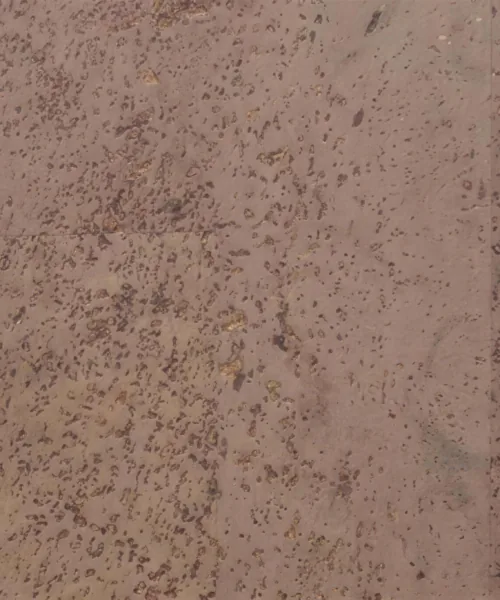 Sample available
 Hazel – 11mm (7/16″) (Cork Floating)
11mm (7/16") · Floating/Click Lock
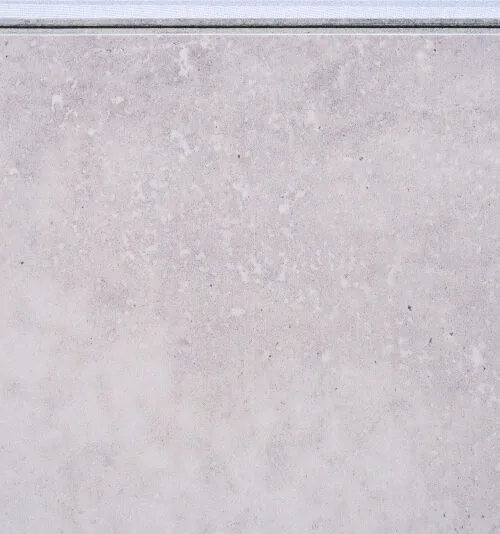 Sample available
 Bright Stone – 7.5mm (19/64″) (Techslate)
7.5mm (19/64") · Floating/Click Lock
 Sample available
 Copperstone Gray – 9.5mm (3/8″) (Natural Composite Flooring)
9.5mm (3/8") · Floating/Click Lock
 Sample available
 Concrete Alloy – 7.5mm (19/64″) (Techslate)
7.5mm (19/64") · Floating/Click Lock
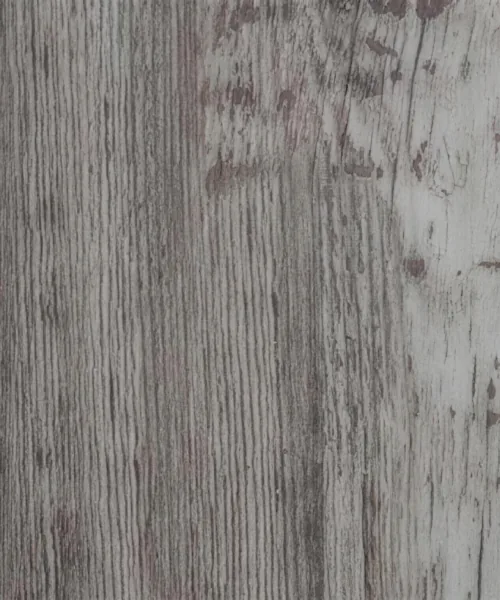 Sample available
 Earthy Pine – 9.5mm (3/8″) (Natural Composite Flooring)
9.5mm (3/8") · Floating/Click Lock
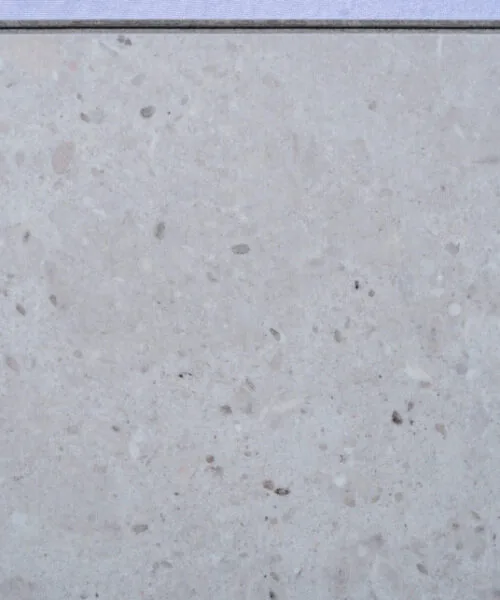 Sample available
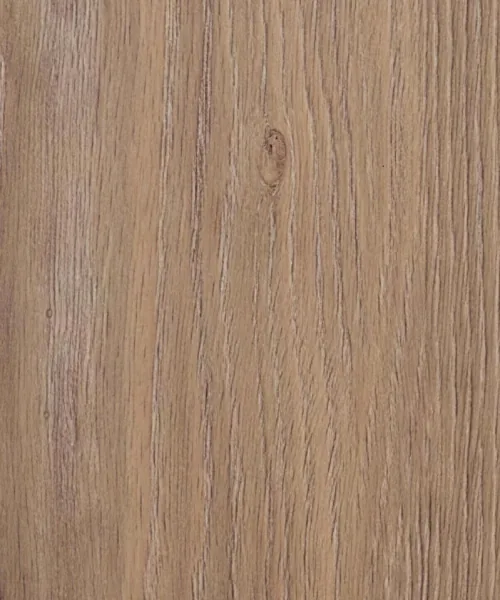
 Matera Blend -19/64″ (7.5mm) – Swiss Techslate (MMatBd7.5) – 7.5mm (19/64″) (Techslate)
7.5mm (19/64") · Floating/Click Lock
 Sample available
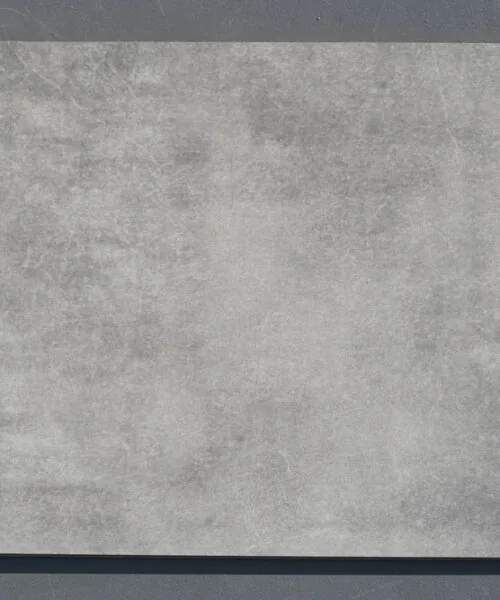
 Honey Oak – 9.5mm (3/8″) (Natural Composite Flooring)
9.5mm (3/8") · Floating/Click Lock
 Sample available
 Industrial Grey – 9.5mm (3/8″) (Natural Composite Flooring)
9.5mm (3/8") · Floating/Click Lock
Basement cork flooring
Basement flooring answer
Basement cork flooring is worth comparing for dry basements when warmth, quiet rooms, and underfoot comfort matter. Moisture testing, approved vapor protection, floating or click-lock installation, and samples should be planned before buying.
- Use cork in dry basements only after moisture questions are answered.
- Install an approved vapor barrier first, then use a floating or click-lock floor.
- Glue-down tile needs a plywood subfloor above the vapor barrier and separate project review.
The Warmest Basement Floor Covering is Cork

A cork floating floor is an excellent insulating product for cold basements. It is the best flooring for basement. Add in a cost effective 6mm cork underlayment and you will have built an “insulated” floor. By using 6mm cork underlay underneath a cork floating floor, you will have close to the same insulating value as 1 inch of solid Styrofoam at a fraction of the cost.
Canadian’s in cold climates have depended on Forna 6mm cork underlay as their floor’s thermal insulation for almost a decade. Some clients have reported that their “cold” basement (never reached more than 15 Celsius or 59 F) now boasts a regular temperature of 22 Celsius (72 F) during even the coldest winter weather. Just by adding 6mm cork + 11mm cork floating floor they have managed to increase the temperature in the basement. They are saving on heating costs as the home is now noticeably warmer, and quieter; a benefit the owners never knew was an option.
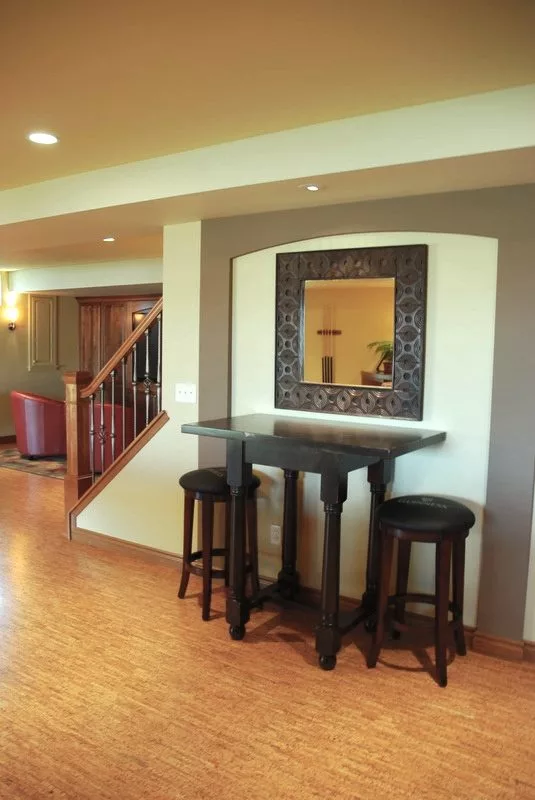
For a mere $0.95/sf you can add cork 6mm underlay to most floating floor installations. The 6mm cork offers better thermal insulation than the leading ‘dry core’ subfloor assembly at a fraction of the cost.
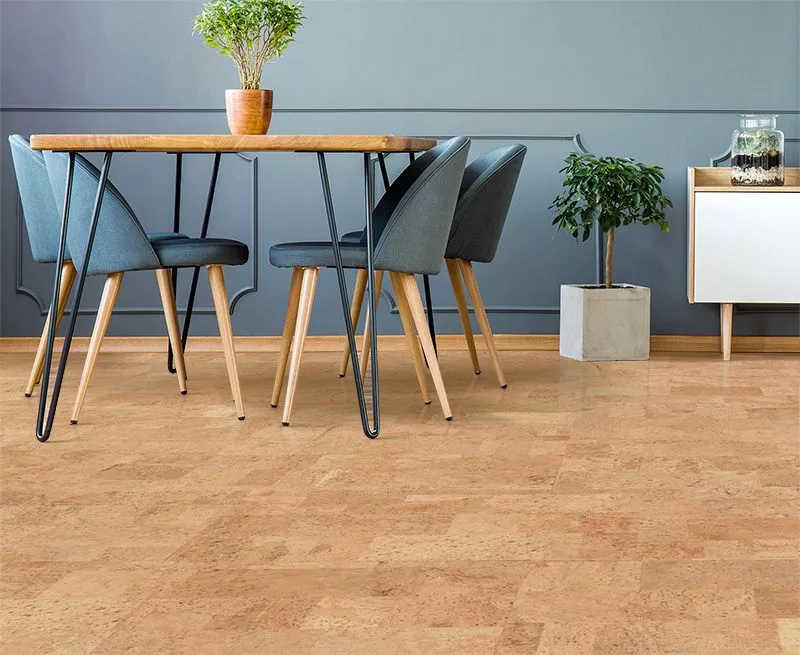
The 6mm (the second thickest we carry below the 12 mm) together with our cork floating floor offers the same insulating value as 1 inch Styrofoam insulation. For $0.95/sf, the 6mm underlay is worth a tremendous amount when it comes to insulating a home in a cold climate. This is the thickness that my clients in N. Saskatchewan, Edmonton, Montreal use in their basements to insulate against the cold. Everyone of these clients have come back and said how much of a difference the cork floor + 6mm underlay has meant to their basements AND their homes in general. Most people say their basement is now the warmest room in the house! My client in N. Saskatchewan says she as to turn down the furnace every time she wants to watch TV in the cork-fill basement. Something neither she nor I thought was a possibility. She has, by the way, only 1 forced air heating vent for her 1200sf basement. Even I was shocked at how effective this product was for her home (and I’m supposed to be the expert)!
Plan basement cork flooring before ordering
Check basement moisture, subfloor condition, approved vapour protection and finished height before choosing flooring.
Check basement moisture before choosing flooring
Check basement moisture, subfloor condition, finished height and installation requirements before ordering.
Frequently asked questions
Is cork flooring good for basements?
Cork can work in dry basements when moisture is controlled, the substrate meets product requirements, and a floating or click-lock floor is installed over approved vapor protection.
What basement cork flooring installation do you recommend?
Use a floating or click-lock floor over approved vapor protection. Glue-down tile is a separate assembly that needs a plywood subfloor above the vapor barrier and project review.
Do I need a moisture test before basement cork flooring?
Yes. Moisture questions should be answered before ordering cork, vapor protection, underlayment, or full boxes for a basement floor.
Should I order basement cork flooring samples first?
Cancork recommends samples so buyers can compare color, texture, thickness, warmth, and basement lighting before ordering full boxes.
 Flooring
 Cork Underlayment
 Supplies & Guides