 Ships Canada-wide
Is cork a sustainable flooring option?
Sustainable flooring answer
Cork is a sustainable flooring option because cork oak bark is harvested while the tree remains alive and regrows bark for future harvests. Cork also gives homes a warm, quiet, comfortable floor made from a renewable natural material.
- Renewable material from cork oak bark, not a tree cut-down product.
- Natural comfort, thermal insulation, and sound control for everyday rooms.
- A practical alternative to vinyl, hardwood, laminate, and bamboo when renewable material matters.
Is cork flooring sustainable? – How cork does sustainable
Cork flooring uses bark harvested from cork oak trees. Compare its construction, surface finish, insulation properties and maintenance requirements with other flooring materials.
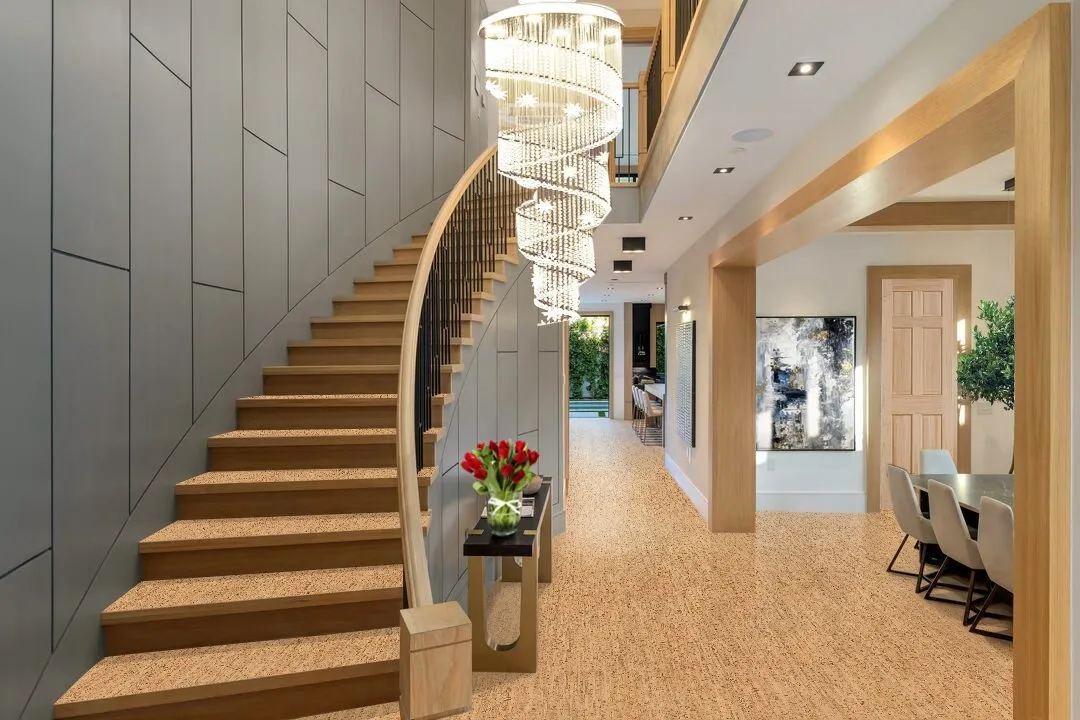
Forests of Quercus suber, the one oak species that produces cork, grow in the Mediterranean, primarily in Portugal. Cork is the protective outer bark of the cork oak. A 100% natural plant tissue, comprised of a hive-like cellular structure that contains a gas identical to air and coated primarily with a waxy substance called suberin. The material is acquired by stripping most of the outer bark from the cork oak tree. No tree is cut down during this process as the each is capable of self regeneration. In terms of a forest of trees, you’ve got an ongoing cycle that does not need to be replenished for decades as each tree can live for up to two centuries.
A newly planted tree will not be stripped until its 25th year, and reproduction cork may be extracted every 9-12 years afterwards. The stripping process happens in the spring or summer. During this time of year the old outer bark comes away easier because the tree is growing and the new, tender cork cells being generated break easily. Healthy and whole, the trees is left alone to allow the bark to grow back. During its lifetime a single tree can put out a harvest 8 to 15 times. Therefore these forests are sustainable and highly prized, and are often passed down through generations of families.

But a cork forest does more than shed its outer bark for our use. It contributes to the preservation of the environment thru soil conservation, regulation of the water cycle, reduction of carbon emissions and preservation of the biodiversity. In the Mediterranean region, cork forests help protect soil from wind erosion and support water infiltration during long, dry periods.
But cork doesn’t stop there in being a green product and Sustainable floor. Just like the harvesting process, the refining and manufacturing process of cork material is geared to be earth friendly. Products used, such as water-based adhesives to coloring, are chosen for their low environmental impact.
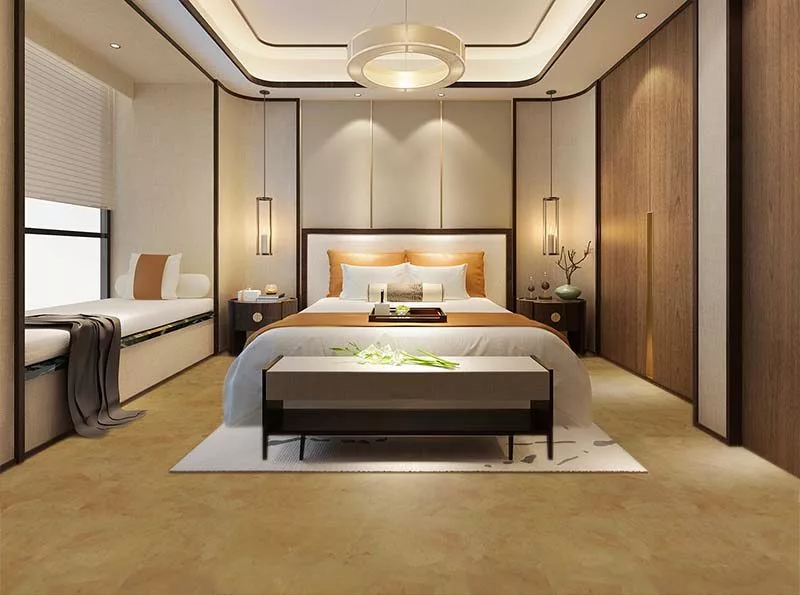
Cork oak bark can be harvested repeatedly while the tree continues to grow. Compare the flooring’s construction, certification and installation requirements. View the range at www.cancork.com .
Compare sustainable flooring alternatives
Sustainable flooring choices depend on renewable material, room comfort, sound control, finish expectations, and whether cork is a better fit than vinyl, hardwood, laminate, tile, or bamboo.
Compare flooring materials
Compare cork flooring and samples
Compare cork samples, construction and installation needs with hardwood and vinyl before ordering.
Frequently asked questions
Why is cork considered sustainable flooring?
Cork is harvested from cork oak bark without cutting down the tree. The bark regrows, making cork a renewable flooring material when sourced and manufactured responsibly.
Is cork flooring a natural alternative to vinyl?
Cork is a natural flooring option that offers warmth, quietness, and resilient comfort. Vinyl can be practical in wet areas, but it is a synthetic material.
How does cork compare with hardwood and bamboo for sustainability?
Cork is harvested from bark that regrows, while hardwood and bamboo comparisons depend on species, harvesting, manufacturing, finish, shipping, and project lifespan.
Does cork flooring help with comfort and insulation?
Yes. Cork has a cellular structure that helps with thermal comfort, underfoot resilience, and sound control in homes, condos, offices, and studios.
 Flooring
 Cork Underlayment
 Supplies & Guides