 Ships Canada-wide
Installation guide
Tape can pull finish, leave adhesive residue, and permanently mark cork or natural wood flooring. Use paper-to-paper or paper-to-trim protection instead.
Start here
Use this page when
- Painting, renovation, moving, or protection work will happen near cork or wood floors.
- Someone wants to tape paper, plastic, or board protection to the floor.
- Tape has already damaged the finish and you need next steps.
Before you start
- Protect the floor without sticking tape directly to the finish.
- Tape paper to paper or paper to trim only.
- Test protection methods away from the finished flooring surface.
Tools and materials to confirm
- Floor protection paper or board that does not require tape on the finished floor.
- Tape applied only to itself, paper, or trim.
- Soft pads and non-marking protection for ladders, tools, and furniture.
Installation workflow
- Cover the floor without adhesive touching the flooring finish.
- Secure protection to itself or to trim, not to cork or wood.
- Keep contractors informed before painting, moving, or trim work.
- If tape was already used, stop and assess before pulling more finish.
- Ask for repair guidance when finish damage appears.
Important mistakes to avoid
- Do not apply painter tape, masking tape, duct tape, packing tape, or printing tape directly to cork or wood floors.
- Do not assume blue painter tape is safe on flooring finish.
- Do not pull damaged tape without assessing the finish.
After installation
- Remove floor protection carefully.
- Clean only with approved methods.
- Document any finish damage before attempting repair.
 Flooring
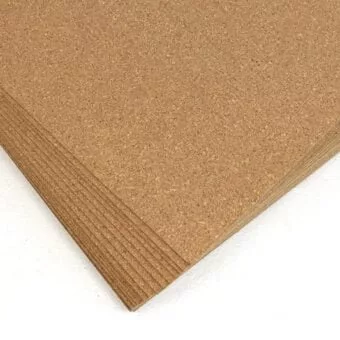 Cork Underlayment
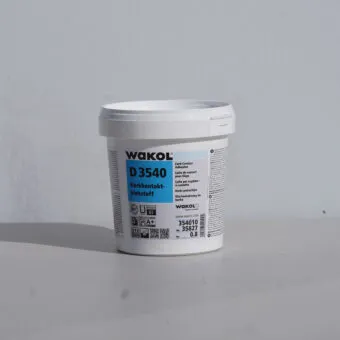 Supplies & Guides