 Ships Canada-wide
Glue-down cork tile installation
Installation answer
Glue-down cork tile installation needs flat subfloor prep, compatible cork adhesive, careful layout, rolling pressure, and the specified finish protection before the room goes back into service.
- Order samples first so color, texture, thickness, and finish expectations are clear.
- Confirm adhesive, substrate, moisture, rolling, and finish steps before buying full boxes.
- Use glue-down cork tiles when a bonded installation is better than click-lock floating planks.
Installation Essentials: Avoid Cork Tile Gapping, and Lifting – Must-Read Guide
Techslate Glue Down – Installation
Forna Natural Composite Flooring – Glue Down Installation
Plan glue-down cork tile installation
Check the cork tile, adhesive, substrate preparation and finish requirements before ordering.
Plan glue-down tile installation
Check the room, subfloor, adhesive, finish and layout before ordering glue-down cork tiles.
Frequently asked questions
How do you install glue-down cork tiles?
Glue-down cork tiles need a flat, clean, dry substrate, correct cork adhesive, layout planning, rolling pressure, and finish protection according to the product instructions.
Do cork tiles need adhesive?
Yes. Glue-down cork floor tiles require compatible adhesive and substrate preparation. Floating cork planks are the better path when a click-lock installation is preferred.
Should cork tiles be finished after installation?
Many glue-down cork installations need the specified finish or top coat after installation. Confirm the product instructions, room use, and maintenance plan before starting.
Should I order cork tile samples before installing?
Cancork recommends samples so buyers can compare color, thickness, texture, finish, and room lighting before ordering glue-down cork tiles.
 Flooring
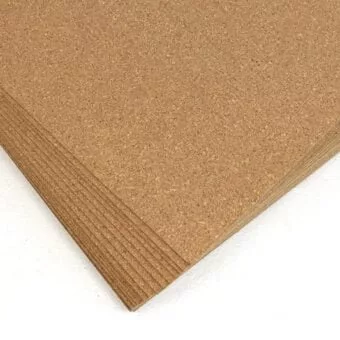 Cork Underlayment
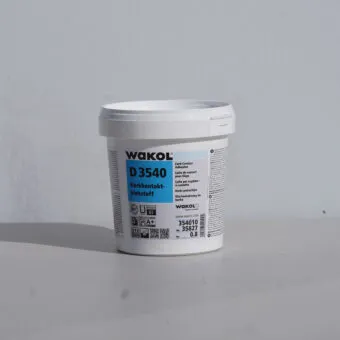 Supplies & Guides