 Shipping Canada-Wide
 USA Store




Benefits of Cork Flooring
Buyer answer
What are the benefits of cork flooring?
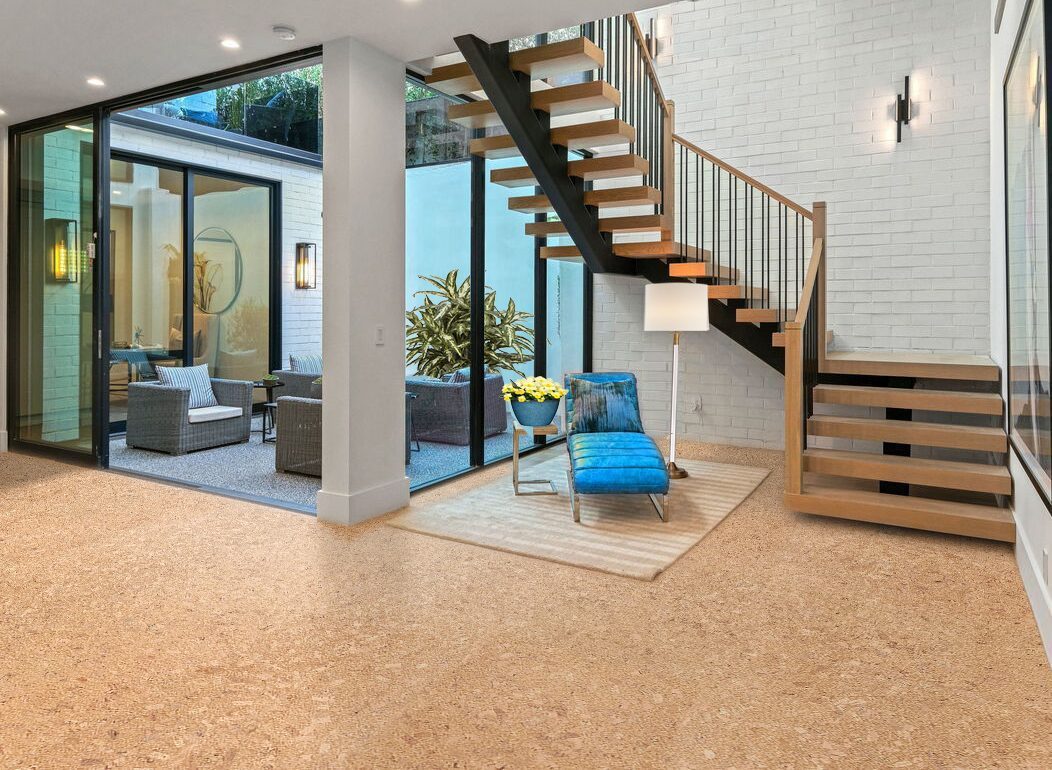
The main benefits of cork flooring are comfortable support underfoot, natural warmth, quieter rooms, renewable material, and resilient support for bedrooms, offices, condos, basements, playrooms, and light commercial spaces.
- Softer and warmer underfoot than many hardwood, tile, vinyl, or laminate floors.
- Naturally helps with everyday impact sound and room comfort.
- Available as samples, floating cork planks, and glue-down cork tiles.
Cork Flooring: Exploring the Pros and Cons
Cork flooring is gaining popularity as a flooring option due to its unique characteristics and sustainable qualities. Made from the bark of cork oak trees, it offers a range of benefits that make it an attractive choice for homeowners. However, it’s important to consider both the advantages and disadvantages before making a decision. In this comprehensive guide, we will delve into the pros and cons of cork flooring to help you make an informed choice for your home.
Pros of Cork Flooring:
-
Eco-Friendly: Cork flooring is a great option for environmentally conscious individuals. It is made from renewable cork oak tree bark, allowing trees to continue growing and contributing to the ecosystem. The production process also consumes less energy compared to other flooring materials.
-
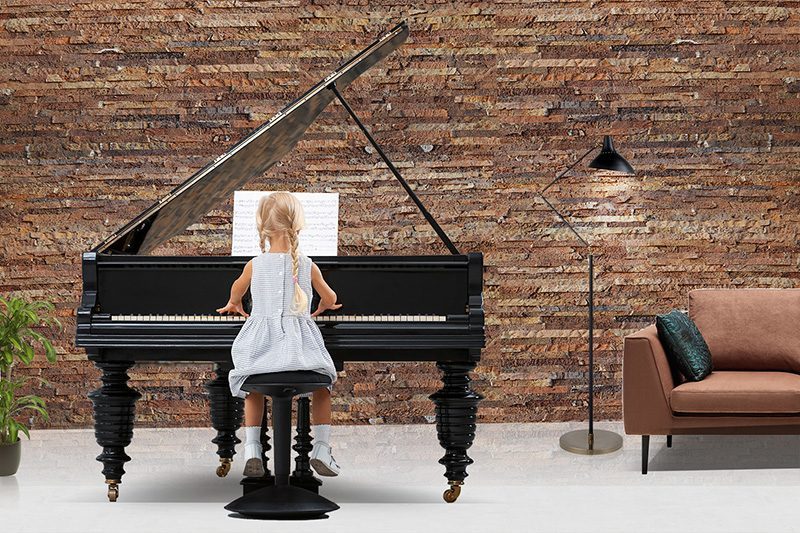
Acoustic and Thermal Insulation: Cork has excellent sound-absorbing properties, making it perfect for reducing noise between floors. It also acts as a natural insulator, helping to retain heat in winter and keep your home cool in summer, resulting in energy savings.
-
Fire Resistance: Cork is inherently fire-resistant, which means it doesn’t readily ignite or release toxic gases when exposed to flames. This makes it a safer flooring choice compared to materials like carpet or hardwood.
-
Comfort and Warmth: Cork flooring has a soft and cushioned feel underfoot, providing comfort and support when walking or standing for extended periods. Its natural warmth adds a cozy ambiance to any room.
-
Durability and Low Maintenance: Despite its soft texture, cork flooring is surprisingly durable and can withstand heavy foot traffic. It is also resistant to scratches and dents. Additionally, cork is easy to maintain, requiring regular sweeping or vacuuming and occasional damp mopping.
-
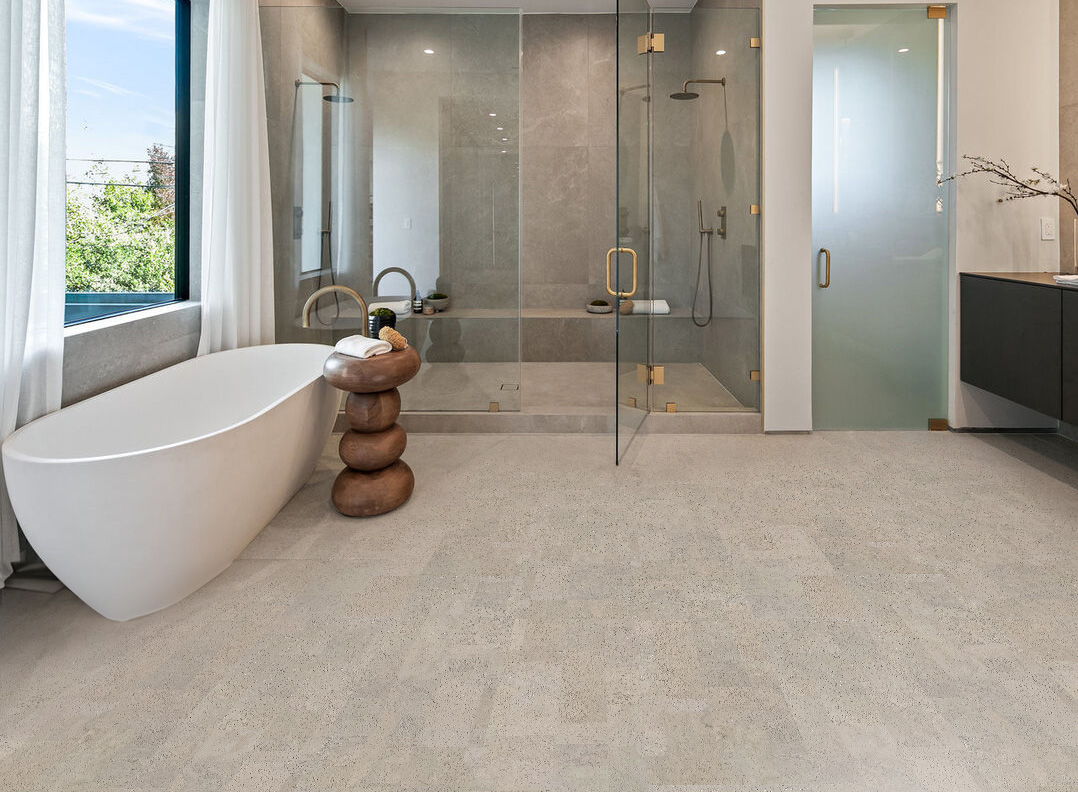
Water Resistance: While not entirely waterproof, cork has natural water-resistant properties, making it suitable for areas prone to moisture like kitchens and bathrooms. Promptly cleaning up spills helps prevent water penetration and damage.
-
Resilience: Cork has an elastic property that allows it to compress under pressure and bounce back when the pressure is released. This resilience makes it ideal for areas requiring comfort and shock absorption, such as playrooms or exercise rooms.
-
Antimicrobial: Cork contains a substance called suberin, which naturally repels insects, pests, allergens, mold, mildew, and bacteria. It provides a hygienic flooring option, especially for individuals with allergies or respiratory sensitivities.
-
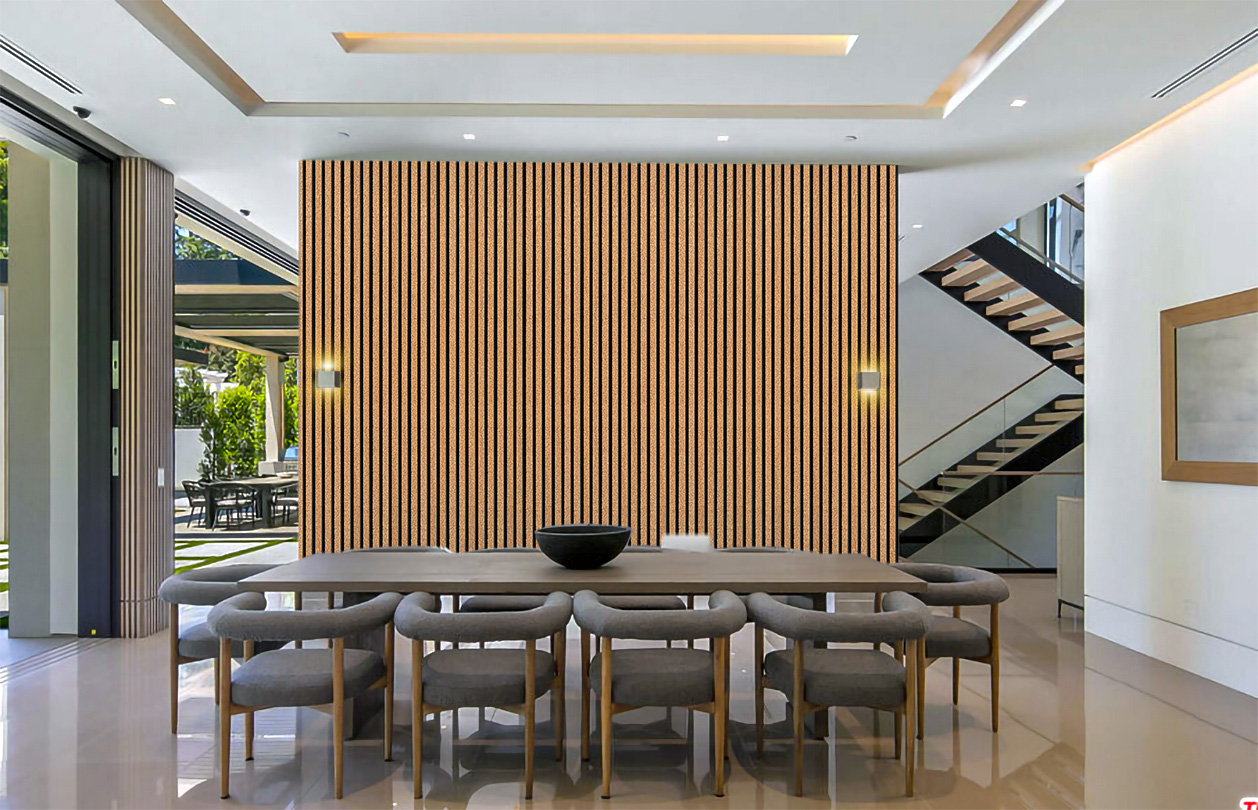
Aesthetically Versatile: Cork flooring comes in a variety of colors, patterns, and textures, allowing you to find a style that matches your aesthetic preferences. It can mimic the look of hardwood or have a unique, natural appearance, adding elegance to your space.
-
Cost-Effective: While the initial cost of cork flooring may be slightly higher than some alternatives, its long-term cost-effectiveness is notable. Its durability and low maintenance requirements ensure it can last for decades, reducing the need for frequent repairs or replacements.
-
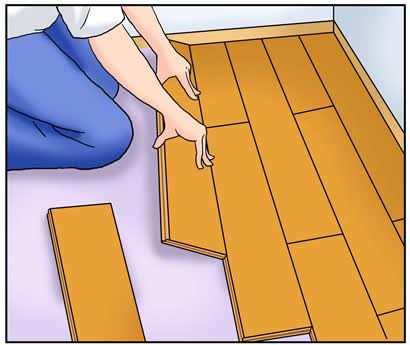
DIY-Friendly Installation: Cork flooring, especially in click-and-lock planks or tiles, is relatively easy to install. This makes it an excellent option for DIY enthusiasts who want to take on their flooring project without professional assistance.
Cons of Cork Flooring:
-
Fading: Like any natural material, cork flooring can experience fading when exposed to UV radiation from sunlight. Over time, the natural color of cork may fade until it stabilizes. Using UV-protective films on windows can minimize the impact of sunlight.
-
Shade Variations: Each cork tree sheds its bark uniquely, resulting in inherent shade variations in cork flooring. Color variations are to be expected. To achieve a balanced appearance, it is recommended to intermingle flooring from several boxes during installation.
-
Indentations: While cork flooring is durable, it can be susceptible to indentations from heavy furniture or sharp objects. However, cork has some memory and can recover well from compression. Using furniture pads and taking precautions can help prevent indentations.
-
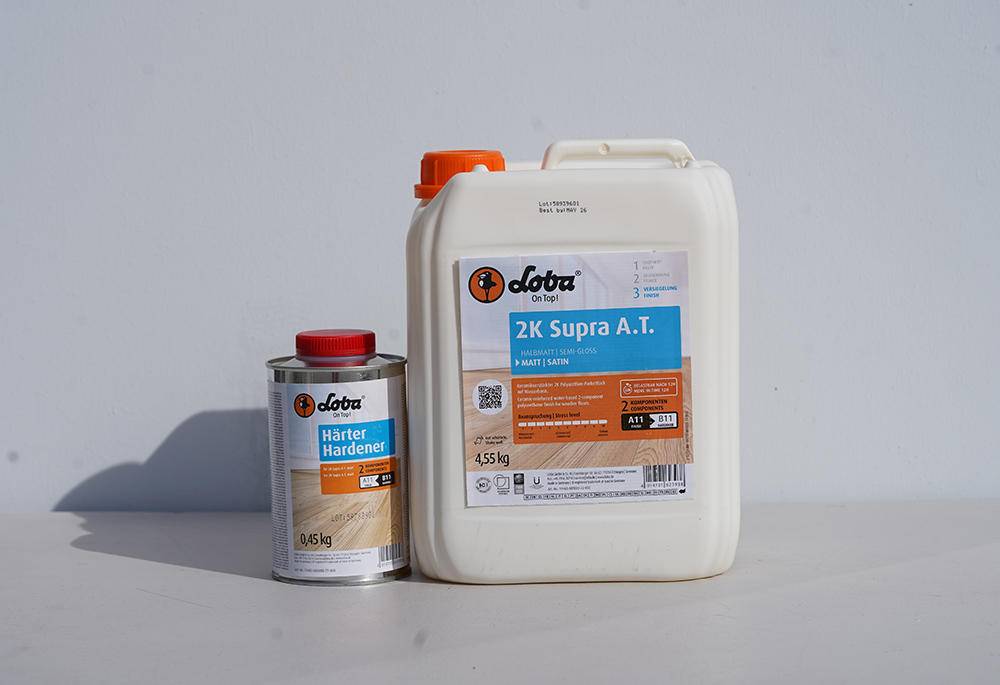
Sealing: Traditional cork flooring may require sealing to maintain water resistance and durability. However, advancements in technology have introduced new polyurethane finishes that may only need sealing during installation, eliminating the need for regular sealing.
-
Susceptibility to Scratches: While cork flooring is scratch-resistant, it is not entirely scratch-proof. Heavy or sharp objects dragged across the surface can potentially leave marks. However, Forna Swiss cork flooring offers a robustness class 33 rating, indicating high durability and wear resistance.
In conclusion, cork flooring offers numerous benefits that make it an appealing choice for eco-conscious homeowners. However, it’s crucial to consider its vulnerability to fading, shade variations, indentations, sealing requirements, and susceptibility to scratches. By carefully evaluating the pros and cons, you can make an informed decision about whether cork flooring is the right fit for your home and lifestyle.
Compare cork flooring benefits and tradeoffs
The right cork floor depends on the room, installation type, comfort goals, sound needs, and finish expectations. Compare samples first, then choose floating or glue-down cork with help from a flooring specialist.
Cork flooring benefit decision paths
Turn cork flooring benefits into a sample-first decision
Benefits research converts best when shoppers compare real samples, hardwood and vinyl alternatives, room comfort, sound control, installation fit, and project help before choosing full boxes.
Frequently asked questions
What are the benefits of cork flooring?
Cork flooring is warm, quiet, resilient underfoot, naturally insulating, renewable, and comfortable for bedrooms, offices, condos, basements, and everyday living spaces.
Is cork flooring comfortable to stand on?
Yes. Cork has natural give, which can make it more comfortable underfoot than many hardwood, tile, vinyl, or laminate floors.
Does cork flooring help reduce sound?
Cork can help soften room sound and reduce impact noise because of its resilient cellular structure.
Should I order cork flooring samples before buying?
Cancork recommends samples so buyers can compare color, texture, finish, thickness, and room lighting before ordering full boxes.
What are the tradeoffs of cork flooring?
Cork flooring needs the right product for the room, proper installation, felt pads, moisture control, and finish maintenance. Samples help buyers compare cork against hardwood, vinyl, laminate, and tile before deciding.