 Ships Canada-wide
Cork flooring over radiant heat
Radiant heat answer
Cork flooring over radiant heat needs product approval, surface temperature limits, acclimation, subfloor preparation, underlayment rules, and installation instructions confirmed before ordering.
- Check the cork product temperature limits and heating system requirements.
- Compare floating and glue-down cork by substrate, heat system, and room use.
- Order samples and ask a specialist before buying full boxes for radiant heat rooms.
Cork is a natural flooring material that pairs well with modern radiant heating systems. Its structure allows for flexibility and stability, making it a reliable choice when installed properly. Among the available systems, we suggest cork flooring be paired primarily with hydronic (water-based or gel) heating.
Although electric radiant heating is frequently used in renovation projects, not all cork floating floors are compatible with these systems. Please consult the compatibility chart below to ensure the flooring type you select is approved. Electric radiant systems can reach higher surface temperatures and, in some cases, present risks such as overheating or electrical faults, which require careful management when combined with cork or other combustible floor coverings.
Compatibility Guide
Below is an overview of which cork and design floors are suitable for use with hydronic and electric radiant heating systems:
| Flooring Type | Hydronic Radiant (Water/Gel) | Electric Radiant |
|---|---|---|
| 12mm Cork Floating Flooring | Yes | No |
| 11mm Swiss Cork Floating Flooring | Yes | Yes |
| 11mm Swiss Design Cork Floating Flooring | Yes | Yes |
| 10.5mm Design Cork Floating Flooring | Yes | No |
| 10mm Cork Floating Flooring | Yes | No |
| 8mm Glue-Down Cork Tile | Yes (not recommended) | No |
| 6mm Glue-Down Cork Tile | Yes (not recommended) | No |
| Techslate Floating Flooring | Yes | Yes |
| Real Leather Floating Flooring | Yes | Yes |
| Forna Natural Composite Floating Flooring | Yes | Yes |
| Real Swiss Stone Floating Flooring | Yes | Yes |
Which Option Should You Choose?
The best-performing option is always a floating cork floor. These floors are not fixed to the subfloor, which means they expand and contract as a unit—an important feature when heat is involved.
Glue-down cork tiles can sometimes be installed over water-based systems embedded in a concrete slab, but only if the heating tubes are covered by at least one inch of concrete. This concrete buffer prevents adhesives from overheating. Without it, the glue may soften, and the tiles may eventually loosen from the surface.
Temperature Recommendations
Cork should never be exposed to floor temperatures higher than 28°C (85°F). Going above this threshold can damage the flooring or compromise the bonding systems.
Preparation and Installation
-
Condition the concrete: The heating system should be brought to a steady room temperature at least 10 days before installation. This step helps eliminate moisture from the slab.
-
Acclimatize the flooring: Cork flooring should rest in the space for 48–72 hours before installation. Open the cartons and stand planks upright so they adjust evenly to the environment. Maintain temperatures between 18–24°C (65–75°F).
-
Maintain stable heat: Keep the heating system on during installation, ideally at the lower end of the room temperature range, so the floor and concrete stay balanced.
-
Adjust temperatures gradually: If the system is embedded in concrete, temperature changes should never exceed 5°C (9°F) per day. Abrupt changes can stress the cork and lead to warping or visual defects.
Key Takeaways
-
Floating cork floors are the preferred choice for radiant heating.
-
Glue-down cork tiles should only be used with hydronic systems in concrete, and only under specific conditions.
-
Respecting maximum heat limits and careful acclimatization are essential for performance and longevity.
Follow the product’s radiant-heating limits and installation instructions, including temperature, moisture and subfloor requirements.
Plan cork flooring over radiant heat
Radiant heat projects need product approval, surface temperature limits, acclimation, subfloor, moisture, and underlayment rules confirmed before buying.
Check radiant heating requirements
Check product approval, surface temperature limits, acclimation, moisture and underlayment requirements.
Frequently asked questions
Can cork flooring be used over radiant heat?
Some cork floors can be used over approved radiant heat systems when product temperature limits, subfloor conditions, acclimation, and installation instructions are followed.
What should I check before installing cork over radiant heat?
Confirm the heating system type, maximum surface temperature, substrate, moisture, underlayment rules, adhesive compatibility, and product instructions before ordering.
Should I order samples for radiant heat flooring?
Cancork recommends samples so buyers can compare cork thickness, finish, color, and underfoot feel before choosing a radiant heat flooring product.
 Flooring
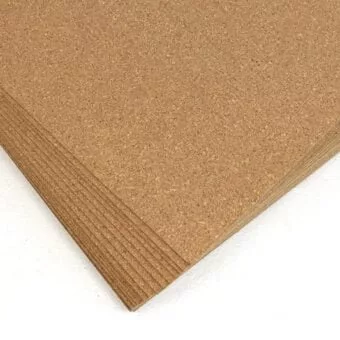 Cork Underlayment
 Supplies & Guides