 Ships Canada-wide
In modern construction, managing vibration is essential for protecting structures, improving durability, and creating comfortable living and working environments. Excess vibration can lead to structural fatigue, noise transmission, and long-term damage in buildings and infrastructure.
One of the most effective natural materials used to control vibration is cork . Thanks to its cellular structure, cork functions as a natural vibration dampener capable of absorbing and dissipating mechanical energy. For this reason, cork has been used for decades in buildings, machinery isolation, expansion joints, highways, and even bridges .
The Natural Structure That Makes Cork a Powerful Vibration Dampener
Cork has a microscopic 
This structure gives cork several important engineering properties:
-
Excellent vibration absorption
-
High elasticity and compression recovery
-
Acoustic insulation
-
Long-term durability under load
When vibrations pass through traditional building materials like steel or concrete, the energy travels easily through the structure. Cork behaves differently. Instead of transmitting the vibration, the cellular structure absorbs the energy and converts it into small amounts of heat, preventing the vibration from spreading.
Cork is used in vibration-isolation materials. Performance depends on the specified product and assembly.
Why Cork Is Highly Effective for Vibration Control
High Energy Dissipation
Cork has a high internal damping capacity. This means it can absorb vibration energy more efficiently than many rigid construction materials.
Elastic Compression and Recovery
Cork can compress under pressure and then return to its original shape without permanent deformation. Even after thousands of compression cycles, cork maintains its structural integrity and performance.
Long-Term Stability
Unlike some synthetic materials that degrade over time, cork maintains its elasticity for decades, making it ideal for long-term construction applications.
Natural Sound and Impact Reduction
Because vibration and sound are closely related, cork also provides excellent impact noise reduction, improving acoustic comfort inside buildings.
Cork Applications in Buildings
Cork is widely used in residential, commercial, and industrial construction to isolate vibration and reduce structural noise.
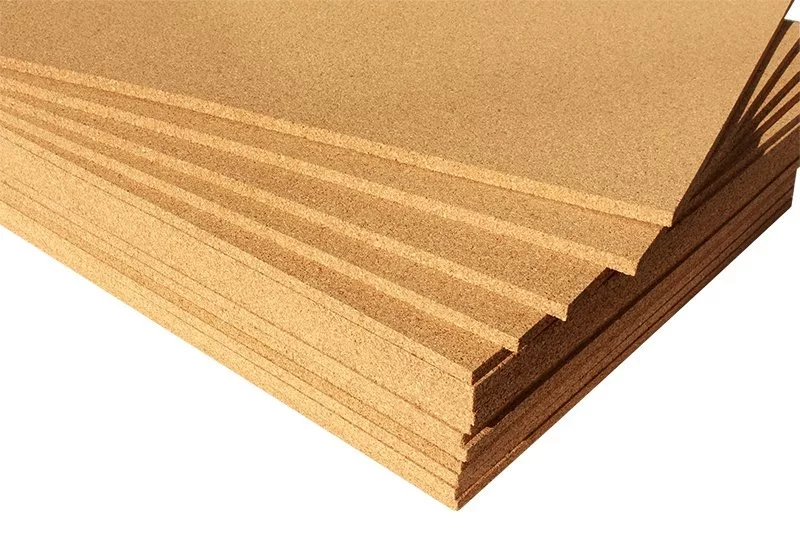
Cork Underlayment for Floors
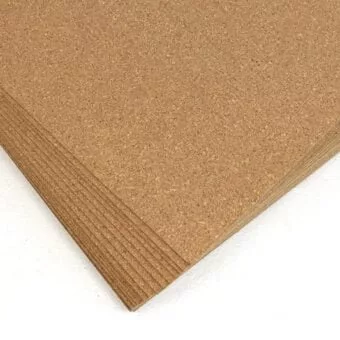
Cork underlayments are installed beneath flooring materials to absorb impact from footsteps and furniture movement. This helps reduce vibration transmission between floors, especially in multi-story buildings and apartments.
Acoustic Wall and Ceiling Panels
Cork wall panels help control vibration and sound within interior spaces. These panels are commonly used in offices, studios, conference rooms, and residential spaces where acoustic performance is important.
Equipment Isolation
Heavy equipment such as HVAC systems, compressors, and industrial machinery can create continuous vibration. Cork isolation pads placed beneath equipment prevent these vibrations from transferring into building structures.
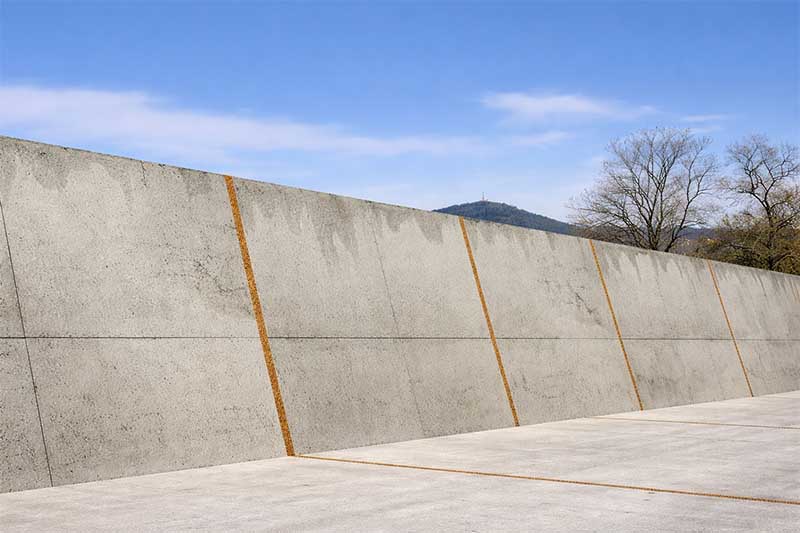
Expansion Joints in Concrete Structures
Buildings naturally expand and contract due to temperature changes and structural movement. Cork expansion joint fillers allow controlled movement while absorbing vibration between concrete sections.
Cork in Bridges and Infrastructure
Cork has long been used in civil engineering projects where vibration control and structural flexibility are required.
Bridges experience constant dynamic forces from:
-
vehicle traffic
-
wind loads
-
temperature changes
-
structural movement
Without proper damping materials, these forces can create excessive vibration that contributes to structural wear over time.
Cork Expansion Joint Boards
Cork boards are frequently used as joint fillers in bridge construction. Installed between concrete sections, these cork layers compress when the structure expands and recover when the load decreases.
This provides several benefits:
-
absorbs structural vibration
-
prevents cracking caused by expansion stress
-
protects steel reinforcements from fatigue
-
allows controlled structural movement
Preventing Structural Resonance
In some engineering applications, cork is used to separate structural components and reduce direct material contact. This helps minimize resonance and mechanical fatigue within the structure.
Durable Performance in Harsh Environments
Infrastructure materials must withstand demanding conditions. Check the specified cork product’s resistance to:
-
moisture
-
rot and microbial growth
-
temperature changes
-
long-term compression
These characteristics make cork suitable for use in roads, bridges, tunnels, and large concrete structures where durability and reliability are critical.
A Sustainable Engineering Material
Beyond its technical performance, cork offers major environmental benefits.
Cork is harvested from the bark of the cork oak tree without cutting the tree down. The bark regenerates naturally every 9 to 12 years, making cork one of the world’s most renewable building materials.
Cork forests also absorb large amounts of carbon dioxide, helping reduce environmental impact while supporting biodiversity.
Using cork in construction supports sustainable building practices and lower-carbon infrastructure.
Why Engineers Choose Cork for Vibration Isolation
Cork combines natural sustainability with outstanding engineering performance.
Key advantages include:
-
Vibration damping
-
Natural acoustic insulation
-
Elastic compression and recovery
-
Long service life
-
Resistance to moisture and decay
-
Renewable and environmentally responsible material
These properties make cork an excellent solution for vibration control in buildings, bridges, infrastructure, and industrial systems.
✅ Conclusion
Cork applications in vibration control
From residential construction to major infrastructure projects, cork provides a natural and reliable solution for vibration control. By combining durability, performance, and sustainability, cork continues to play an important role in modern engineering and building design.
 Flooring
 Cork Underlayment
 Supplies & Guides