 Ships Canada-wide
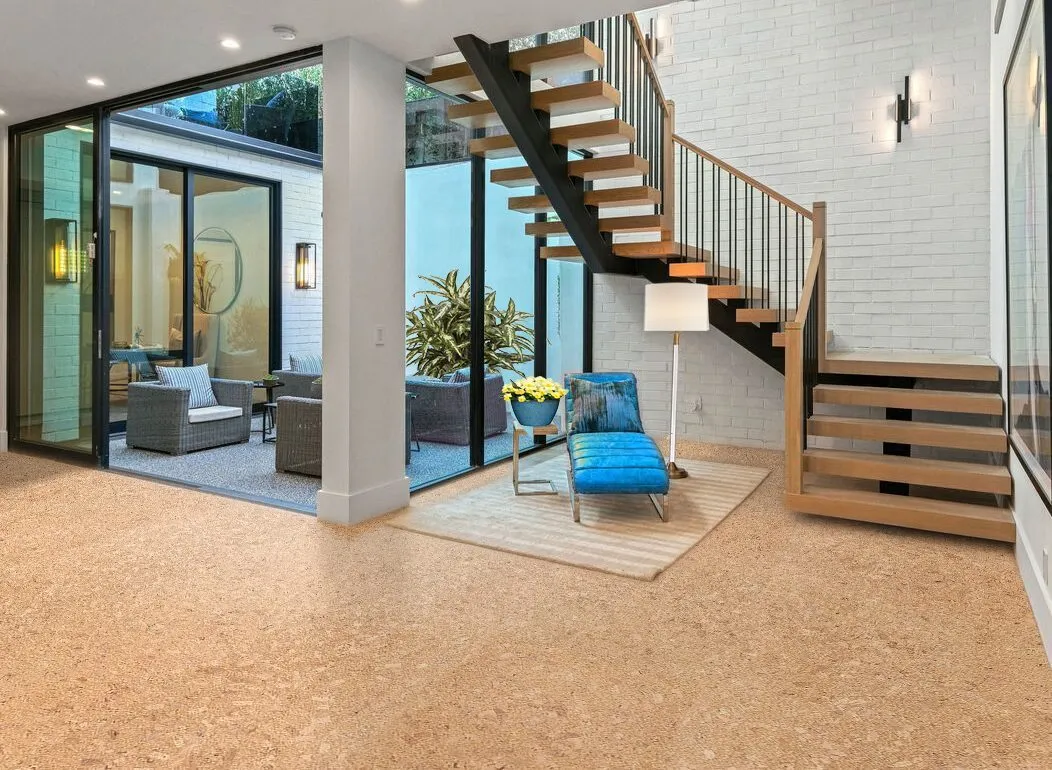
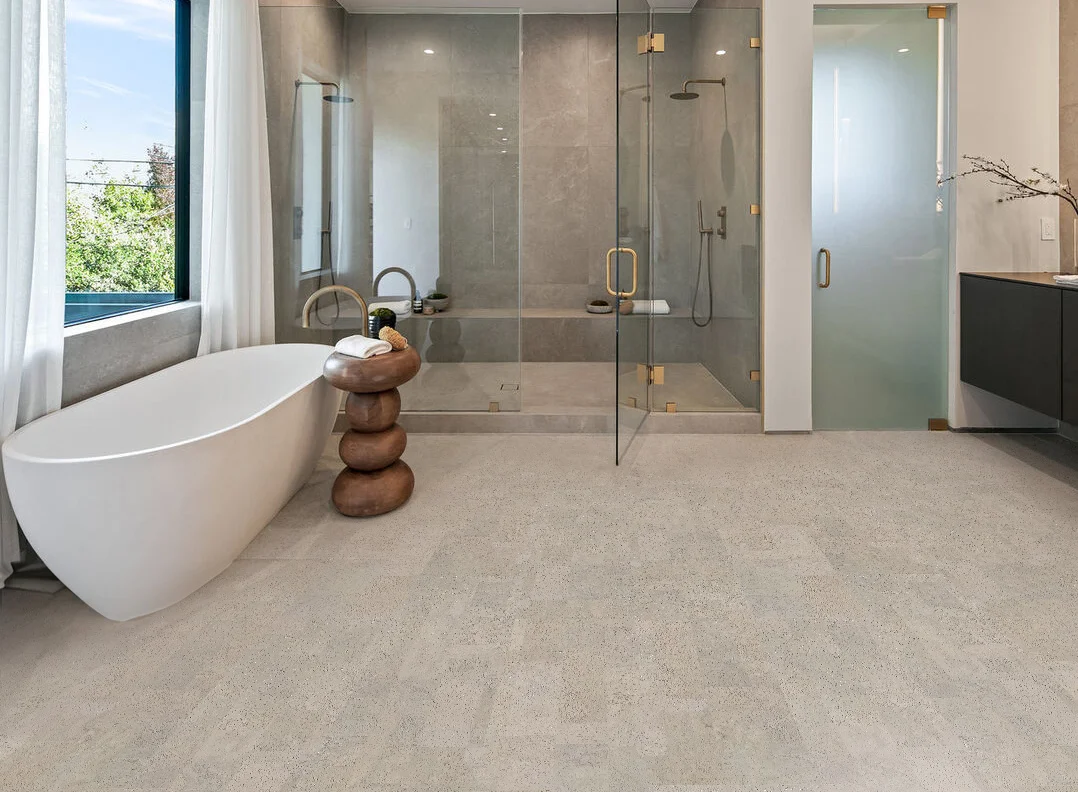




Glue-down cork is generally the safer starting point for bathroom planning.
Cork flooring for bathrooms
A specialized application that can work when the product, bonded installation, finish, and room are planned together.
Bathroom cork needs a moisture plan; it is not a blanket recommendation for every floor.
Seal edges and finish as specified, ventilate the room, and prevent standing water.
Confirm the substrate, fixtures, transitions, and splash exposure before purchase.
Recommended bathroom cork floors
8 shortlisted from 30 compatible floors
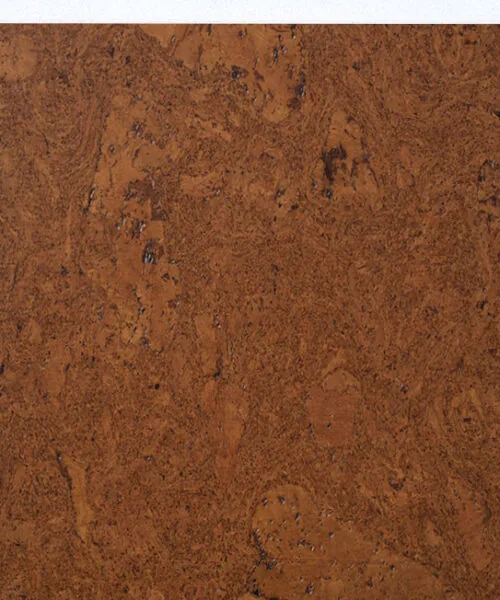 Sample available
 Autumn Ripple – 8mm (5/16″) (Glue Down Tile)
8mm (5/16") · Glue Down
 Sample available
 Bleached Birch – 8mm (5/16″) (Glue Down Tile)
8mm (5/16") · Glue Down
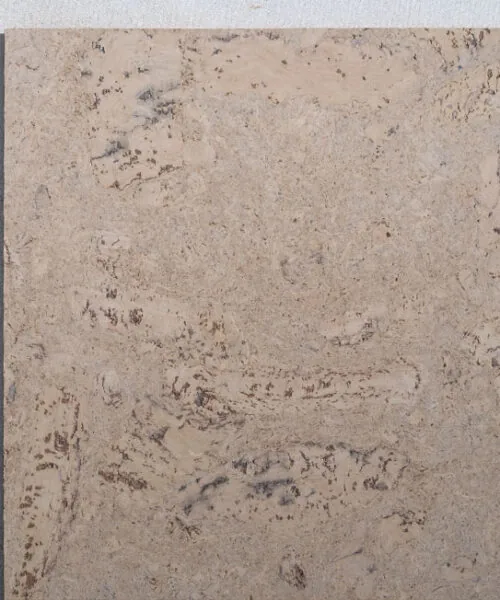 Sample available
 Ceramic Marble – 6mm (1/4″) (Glue Down Tile)
6mm (1/4") · Glue Down
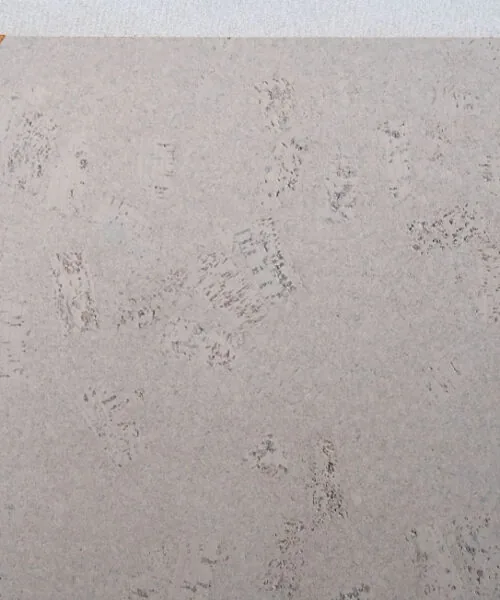 Sample available
 Creme Royale Marble – 8mm (5/16″) (Glue Down Tile)
8mm (5/16") · Glue Down
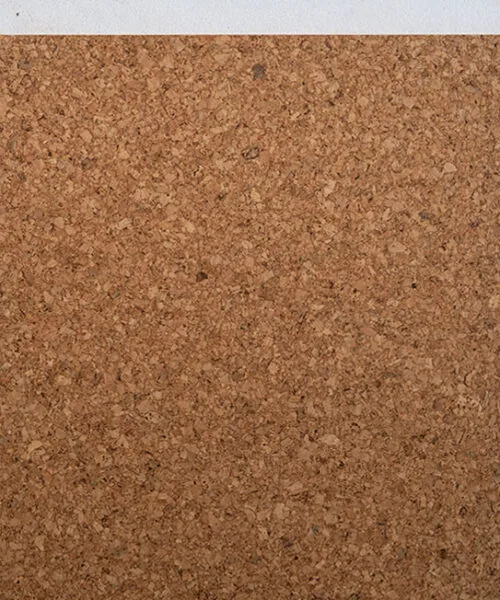 Sample available
  Sample available
 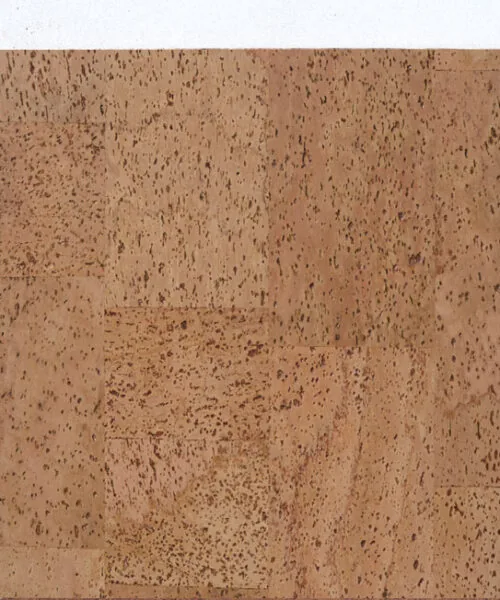 Sample available
  Sample available
 Copperstone Gray – 9.5mm (3/8″) (Natural Composite Flooring)
9.5mm (3/8") · Floating/Click Lock
Bathroom flooring answer
Can cork flooring work in bathrooms?
Bathroom cork flooring needs the right product and installation plan. Glue-down cork tiles, cork-safe adhesive, prepared subfloor, finish protection, ventilation, and fast spill cleanup matter more than treating cork as a sealed wet-room floor.
- Best path: compare glue-down cork tiles for bathrooms before floating floors.
- Moisture planning: review ventilation, subfloor, fixtures, edges, and finish protection.
- Next step: order samples and ask a flooring specialist before buying full boxes.
Cork Flooring for Bathrooms
Cork floor has many advantages that can be beneficial as bathroom flooring. There is a natural chemical in cork that is called Suberin; a very waxy substance that gives cork its moisture resistant properties. Suberin has been scientifically proven to repel insects, bacteria, mold and mildew. And no grout lines to clean.
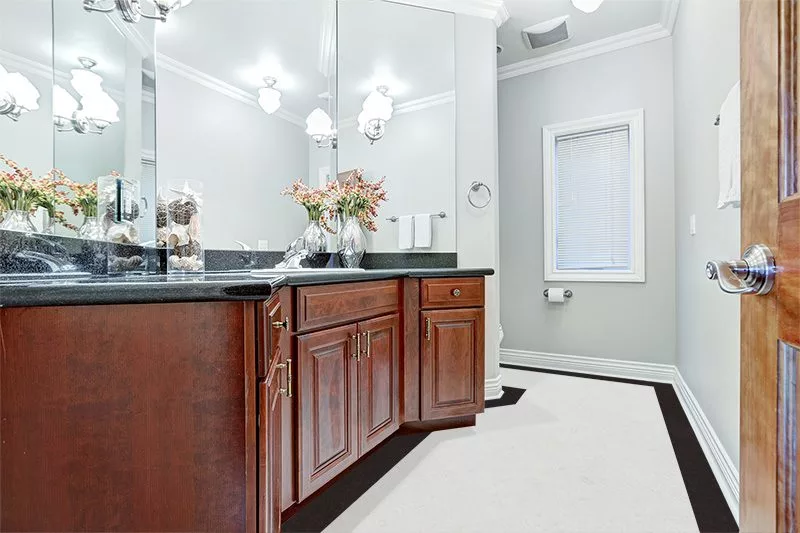
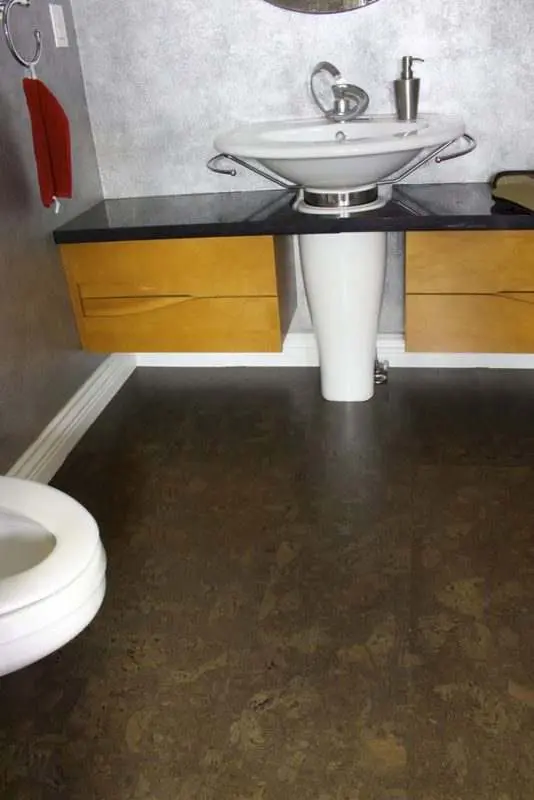
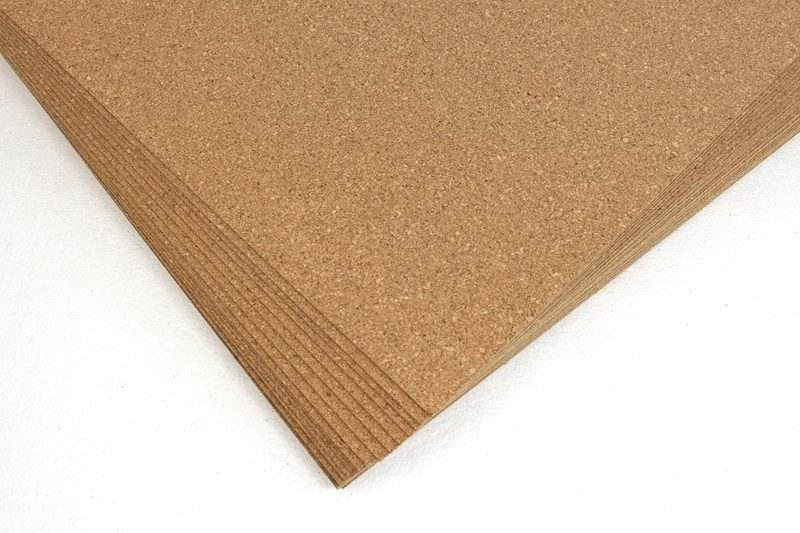
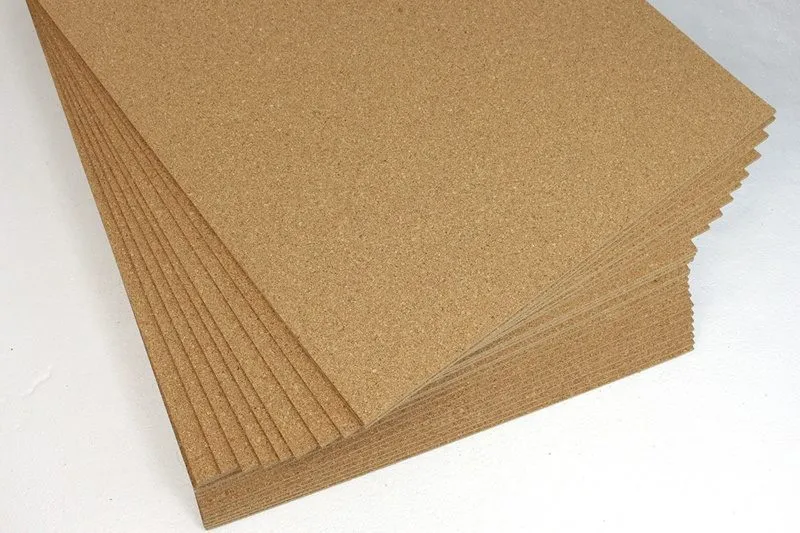
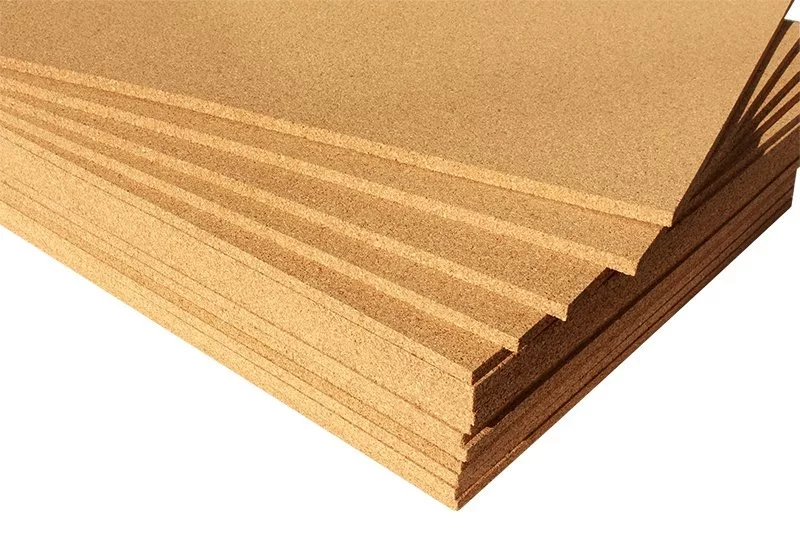
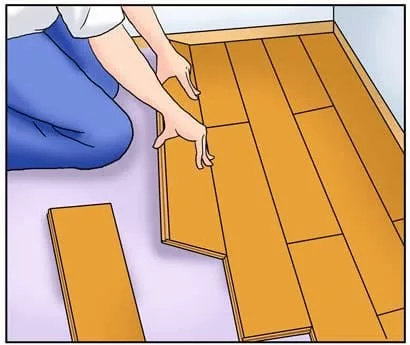
The most appropriate application in a bathroom is the cork glue down tiles. These tiles come in varying thicknesses. The most common thicknesses are 4mm (1/8 inch) and 6mm (1/4 inch). Cork glue down tiles are made up of 100% cork – top to bottom – so there is no risk of water damage or swelling when exposed to high levels of moisture or liquids.
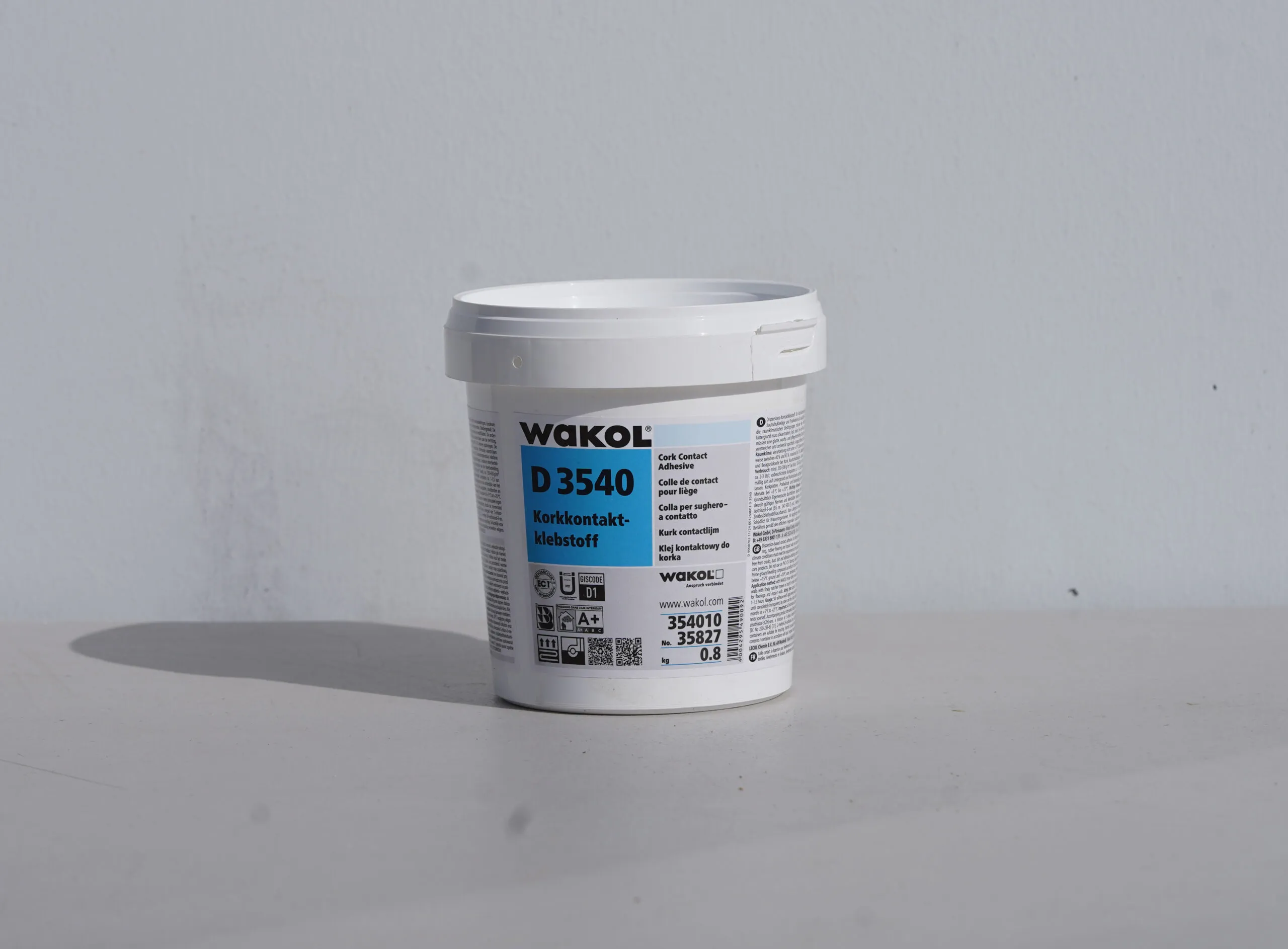
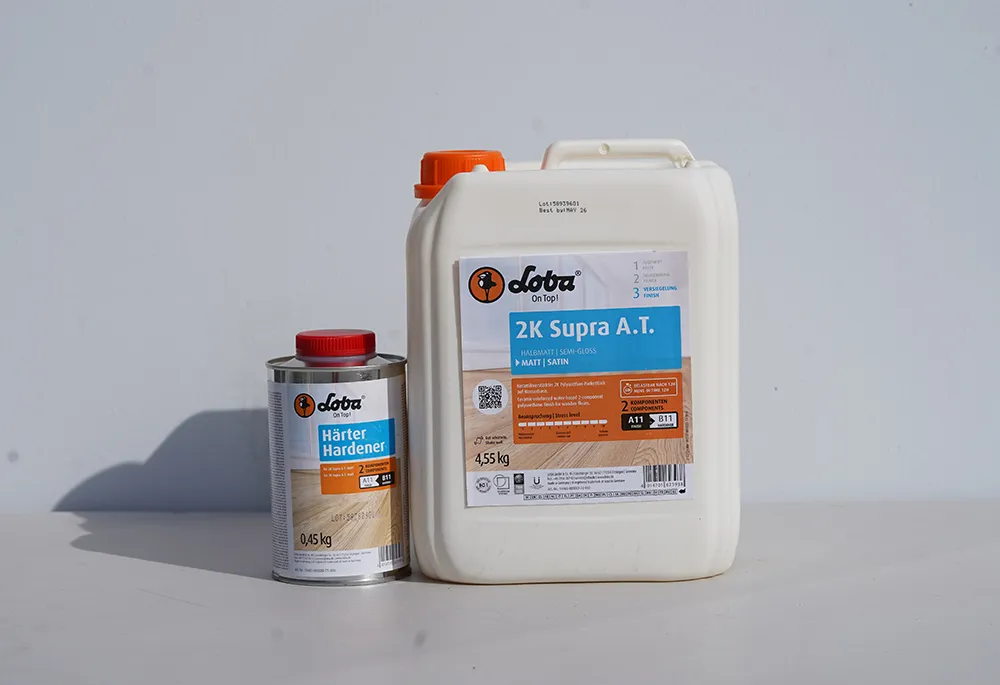
Forna glue down tiles come in more than 14 different colors and patterns. The required adhesive, Wakol D3540 Cork Adhesive, is a water based contact cement adhesive that is 100% Formaldehyde and VOC free. Once installed, the cork tiles must be sealed with Loba Supra 2K AT water based polyurethane or a Forna approved substitute.
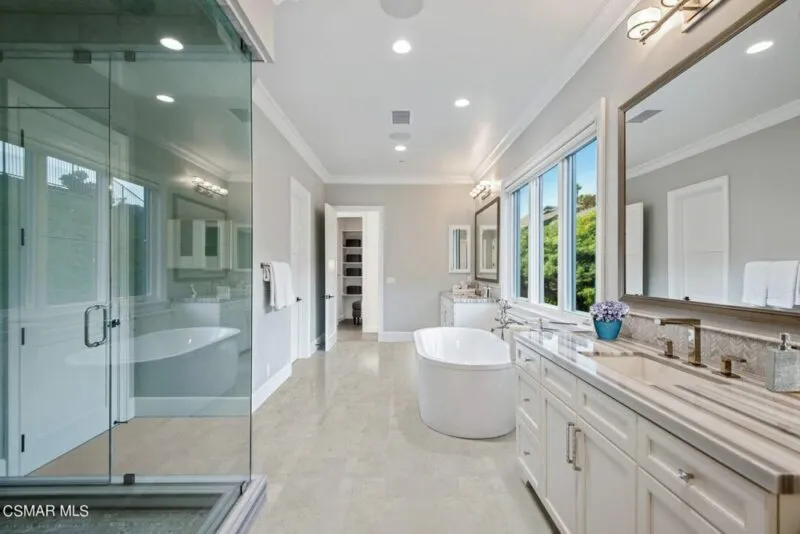
Appropriate subfloor material includes concrete, cement backer board and subfloor grade smooth-side-up plywood. The subfloor must be smooth, patched, sanded and cleaned prior to installation. In moist environments, we recommend the use of galvanized screws or galvanized ringed nails be used to secure the subfloor to the substrate. Using galvanized metals will reduce the chances that the fasteners will rust when exposed to cement leveling compounds, planipatch or other forms of moisture normally found in wet areas.

All forms of old flooring must be removed; including painted materials and old adhesives. In some instances, under the guidance of a professional tile setter or flooring professional, ceramic tiles can be cemented over using quick set or self-leveling cement compounds. These compounds must be made up of Portland based product. Contact your local Forna representative before using any product not listed on the website.

Plan bathroom cork flooring before ordering
Bathroom cork projects need product, adhesive, subfloor, edge, finish, ventilation, and moisture planning before full boxes are ordered.
Compare glue-down cork tiles Start with bonded cork tile options for bathrooms, powder rooms, gyms, entries, and moisture-conscious rooms. Order cork bathroom samples Check color, texture, finish, and lighting before choosing full boxes. Ask a flooring specialist Get help reviewing moisture exposure, adhesive, finish protection, transitions, and installation limits.
Match bathroom moisture before cork samples
Bathroom visitors should confirm product fit, substrate, adhesive, finish, ventilation, edges, spill cleanup, and samples before ordering cork.
Sample color and finish in bathroom lighting Check finish, texture, color, thickness, and room lighting before choosing bathroom cork. Glue-down cork for moisture planning Use bonded cork tile only when substrate, edges, adhesive, and finish protection fit. Plan finish, ventilation and spill cleanup Review fixtures, bath mats, edge details, ventilation, and maintenance before installation. Ask about bathroom cork fit Get help reviewing moisture exposure, adhesive, finish protection, transitions, and limits.
Frequently asked questions
Can cork flooring work in bathrooms?
Cork can work in some bathrooms when the correct glue-down product, adhesive, substrate preparation, finish protection, ventilation, and moisture controls are used.
Is glue-down cork better than floating cork in bathrooms?
Glue-down cork tiles are usually the better bathroom path because a bonded tile installation can be planned around edges, fixtures, finish protection, and moisture exposure.
What should I compare before choosing bathroom cork flooring?
Compare samples, room moisture, ventilation, subfloor condition, adhesive requirements, finish protection, transitions, and whether the room is a half bath or full bathroom.
Should I order cork samples before a bathroom project?
Cancork recommends samples so buyers can compare color, texture, finish, and lighting before choosing cork for a bathroom floor.
 Flooring
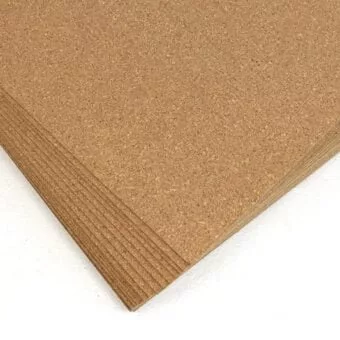 Cork Underlayment
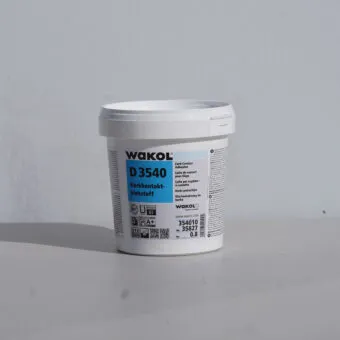 Supplies & Guides