 Ships Canada-wide
Natural Cork Flooring: Why Surface Texture Is Part of Its Unique Appeal
The Natural Character of Real Cork Flooring
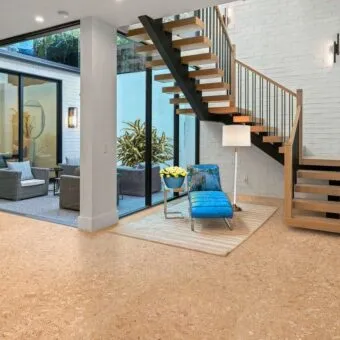
When shopping for cork flooring, some homeowners are surprised to discover that not every cork floor has a completely smooth surface. Certain designs feature tiny indentations, subtle irregularities, or a slightly textured finish.
For customers familiar with laminate, luxury vinyl, or other manufactured flooring products, these surface variations may initially seem unusual.
However, cork flooring is made from a natural material with its own distinctive structure and appearance. Unlike synthetic surfaces designed for visual uniformity, genuine cork often retains characteristics that reflect its natural origins.
At FornaCork, we believe understanding these differences helps homeowners appreciate the material and select the flooring that best suits their preferences.
How Nature Creates Cork’s Distinctive Appearance
Natural cork comes from the bark of the cork oak tree, which develops over many years before harvesting.
Throughout its growth, the bark forms a remarkable cellular structure. Its natural composition includes variations in density, pores, and other characteristics that contribute to the appearance of finished cork products.
When cork bark is harvested and processed into flooring, manufacturers use different techniques to transform the raw material into decorative flooring surfaces.
Depending on the cork structure, decorative pattern, and production method, some of these natural variations may remain visible as small surface depressions or subtle textural differences.
These features are not automatically signs of damage or poor workmanship. In many traditional cork flooring designs, they are an expected characteristic of the material.
Why Do Some Cork Floors Feel Smoother Than Others?
One important thing to understand is that natural cork flooring does not have one universal surface texture.
Some designs are relatively smooth, while others display more noticeable texture and organic variations.
The differences can result from:
-
Cork material selection: Different portions and structures of natural cork can produce different visual effects.
-
Decorative manufacturing techniques: Cork veneers, granules, and other natural components may be arranged or processed differently to create specific patterns.
-
Surface preparation: Sanding and other finishing processes influence the final texture.
-
Protective coatings: The type and application of the surface finish can affect how smooth the flooring feels.
Certain cork flooring patterns are created to highlight the material’s natural character. Others are designed to provide a more consistent, refined appearance.
Neither style is inherently superior.
A textured cork floor may be especially appealing to homeowners seeking an organic, nature-inspired interior, while a smoother cork floor may better complement minimalist or contemporary spaces.
The right choice depends largely on personal taste.
Does Textured Cork Flooring Collect Dirt?
A common concern among homeowners is whether the tiny indentations found in some cork flooring patterns will trap dust, dirt, or debris.
This is an understandable question, especially for people who have previously used flooring with a completely flat surface.
Fortunately, properly finished cork flooring is generally straightforward to clean and maintain.
The shallow surface variations found in many natural cork designs do not necessarily create the cleaning difficulties that some customers imagine.
Finished cork flooring has a protective surface coating that helps protect the material during everyday use.
Additionally, cork has natural antistatic characteristics, which can help reduce the attraction of dust.
With regular sweeping, appropriate vacuuming, and occasional damp mopping, most everyday dust and debris can be removed without difficulty.
As with any flooring material, proper maintenance remains important. Dirt should not be allowed to accumulate, and damaged or worn protective finishes may require attention.
A naturally textured appearance should not be confused with a surface that is inherently difficult to keep clean.
Nearly 20 Years of Experience with Cork Flooring
FornaCork brings nearly 20 years of experience in the cork flooring industry.
Over the years, we have worked with a wide variety of natural cork flooring patterns and have gained extensive firsthand knowledge of how these products perform in everyday environments.
We have also used cork flooring in our own homes, offices, and showroom, allowing us to experience its maintenance requirements and long-term practicality directly.
One concern we frequently hear from customers is that small surface indentations might make cork flooring harder to clean.
Based on our practical experience, the natural textures found in many properly finished cork floors have not caused significant problems with routine cleaning.
In fact, many customers appreciate these subtle variations because they give cork flooring a warm, authentic appearance that distinguishes it from mass-produced synthetic surfaces.
Smooth or Textured Cork Flooring: Which Should You Choose?
There is no single surface style that appeals to everyone.
Some homeowners prefer the natural, slightly irregular appearance of traditional cork flooring. They enjoy the visual depth, organic patterns, and individuality that come with genuine cork.
Others prefer flooring with fewer visible indentations and a more uniform surface.
Both are excellent design preferences, and choosing one over the other does not mean sacrificing the benefits of cork flooring.
FornaCork offers a variety of cork flooring styles with different surface appearances, from relatively smooth designs to patterns with more pronounced natural texture.
Customers who prefer darker cork flooring with a smoother finish can explore suitable patterns based on both color and surface characteristics.
Because surface texture can be difficult to judge from online photographs alone, we strongly recommend examining physical samples before making a final selection.
Viewing and touching the actual material provides a much better understanding of its appearance and finish.
Simple Care for Naturally Textured Cork Floors
Keeping cork flooring attractive does not require complicated cleaning procedures.
A few basic habits can help preserve its appearance:
-
Remove loose dust and dirt regularly with a soft broom or a vacuum designed for hard flooring.
-
Use a lightly damp microfiber mop with an appropriate flooring cleaner when necessary.
-
Wipe up spills promptly and avoid leaving standing water on the floor.
-
Avoid abrasive cleaning products, excessive moisture, and harsh scrubbing tools.
-
Protect the surface finish by using suitable furniture pads and following the manufacturer’s maintenance recommendations.
These practices apply to both smoother and more textured cork flooring designs.
Appreciating the Beauty of Natural Materials
Natural materials rarely have the perfectly identical appearance associated with artificial products.
Wood contains grain variations and knots. Natural stone displays differences in color and mineral patterns. Cork has its own distinctive characteristics, including variations in color, pattern, and surface texture.
For many homeowners, these qualities are precisely what make natural materials desirable.
The subtle indentations found in some cork flooring designs can contribute to an authentic, organic appearance rather than detract from it.
At the same time, we understand that not everyone wants a noticeably textured floor.
The beauty of cork flooring is that customers can choose from different designs, colors, and surface finishes while still enjoying the distinctive qualities of natural cork.
With nearly two decades of industry experience, FornaCork is committed to helping homeowners understand these differences and select flooring that meets their expectations for both appearance and everyday practicality.
 Flooring
 Cork Underlayment
 Supplies & Guides