 Ships Canada-wide
Cork for floor and wall sound control
Sound-control answer
Cork can support sound-control projects when the product matches the problem: underlayment for floor impact sound, wall panels for room echo, and realistic expectations for the full assembly.
- Compare 3mm, 6mm, and 12mm cork underlayment for floor assemblies.
- Compare cork wall panels when the room needs decorative acoustic surfaces.
- Ask a specialist before promising sound ratings or ordering full boxes.
Noise. Good noise. Bad noise. It all comes down to volume, and unfortunately is one of those things that causes annoying disruptions. This noise can come from the inside or the outside of your home. If you are dealing with too much noise, especially during the night, that will seriously interrupt sleep cycles. Too many sleepless nights because of this will become an overall drain and can impact work performance. To help minimize Soundproofing this negative influence, you should look into ways to reduce its effects and improve the comfort level of your home.
Soundproofing is possible, even in finished homes. Acoustic insulation is a great option to turn to, however it will require some work. In the end though, it will be well worth the effort. One material that has become a popular and favored option is cork. Yes Cork.
Why? Well first of all, cork’s ability to sound insulate is all natural, found in the very cellular structure of cork itself. Like memory foam, cork can compress and release and gain its initial shape. This structure provides the barrier that can block and disperse sound waves.
- 12mm of cork underlayment can reduce sound by up to 48 decibels
- 6mm of cork sheeting can reduce sound by up to 23 decibels
- 3mm of cork sheeting can reduce sound by up to 12 decibels
- 10 mm cork floating flooring – 19 dB (tested at 11 mm)
- 12mm cork floating flooring — 19 dB (ΔLw)
- 10.8mm fusion cork floating — 18 dB (ΔLw)
- 6mm cork tiles — 18 dB (ΔLw)
- 8mm cork tiles — see the product listing for tested impact sound reduction
For understanding dB about other building material:
- Building has 12” concrete suspended slab (45 dB)
- Building has 8” concrete suspended slab (38 dB)
- Building has 6” concrete suspended slab (27 dB)
- Ceilings finished using “X” type 5/8” drywall (5 dB)
- Floor coverings chosen = 5/8” engineered hardwood (0 dB)
- Drop-down-suspended ceiling (14 dB)
- The foam only offers 3-5 d
- The engineered hardwood will have the identical ratings as the “wood” floor covering. Wood floors rank as “0” dB for acoustics…which makes it pretty easy to interpret.
- Compare that to laminate = 0 dB; or hardwood = 0 dB; or ceramic = 0 dB.
- If you have a wood-frame building, the floor/ceiling will only offer 25 dB worth of insulation.
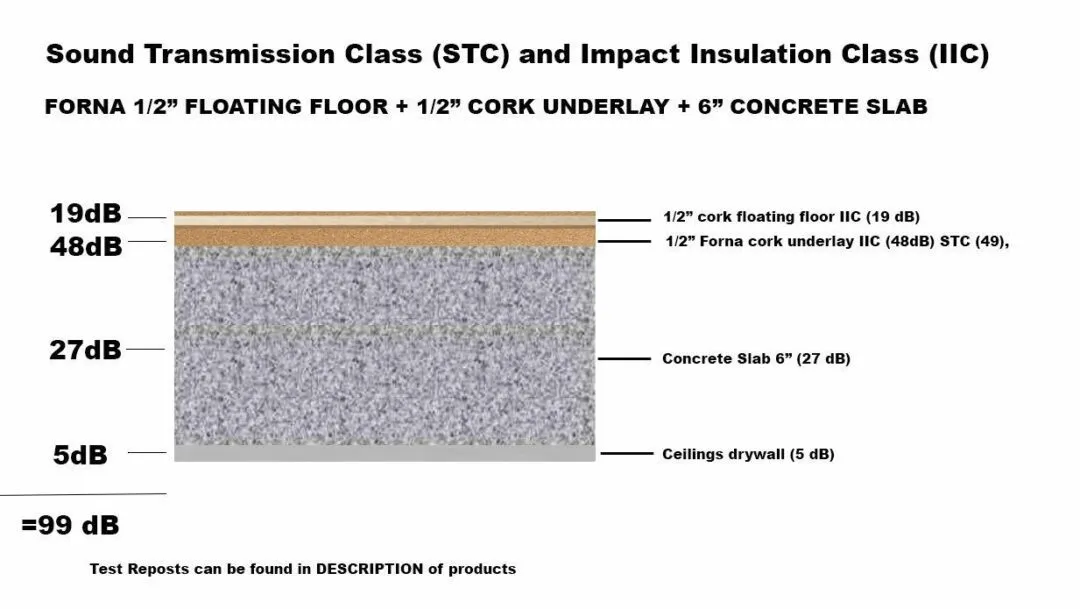
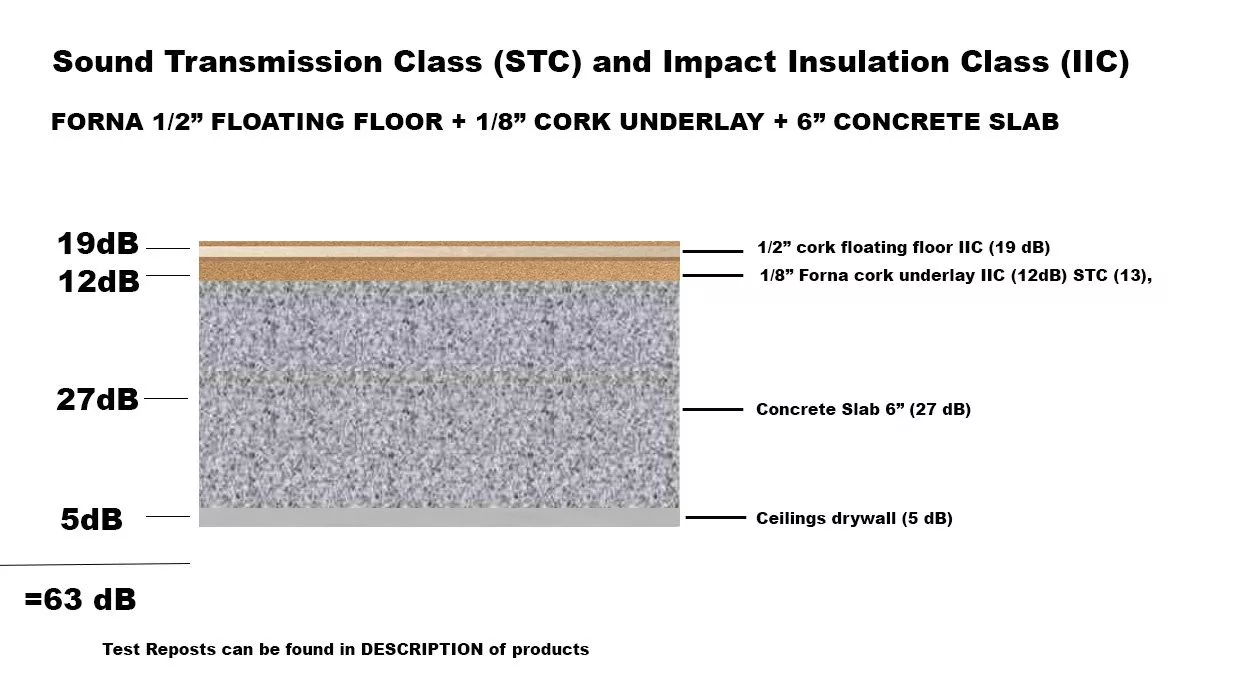
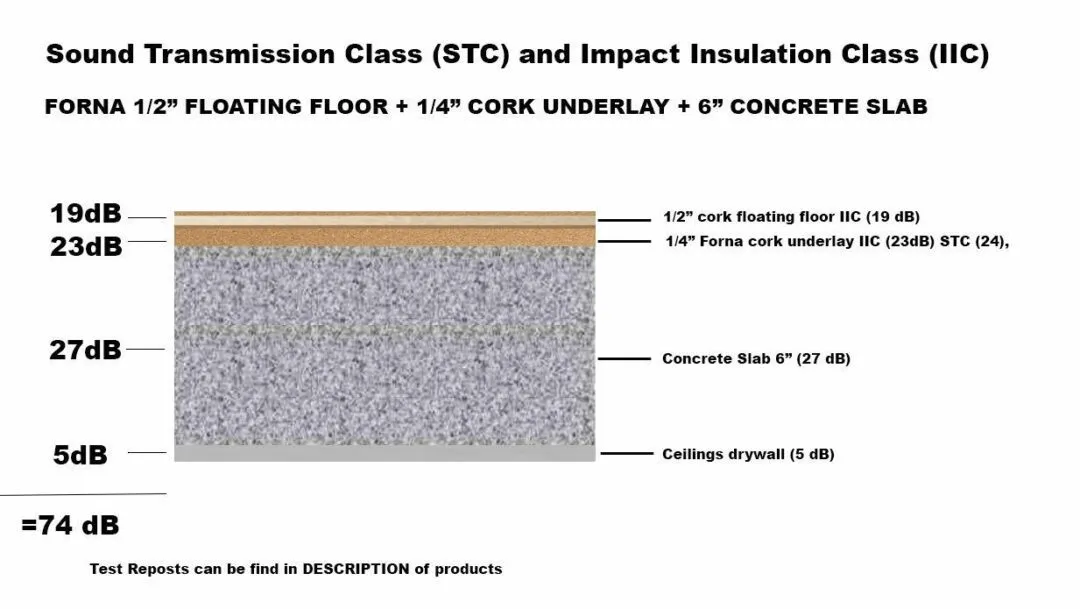
Cork tiles can be installed on the floors and on the walls of your home so you can get rid of the noise from outside sources.

Also keep in mind that noise can be generated from inside the house as well. If a member of your family likes to boom their favorite music of course it can be a little overwhelming. Acoustic insulation in the inside walls can isolate and keep the noise separate from the rest of the house at all times too. Cork underlay therefore is a great option to look into for floors and walls.
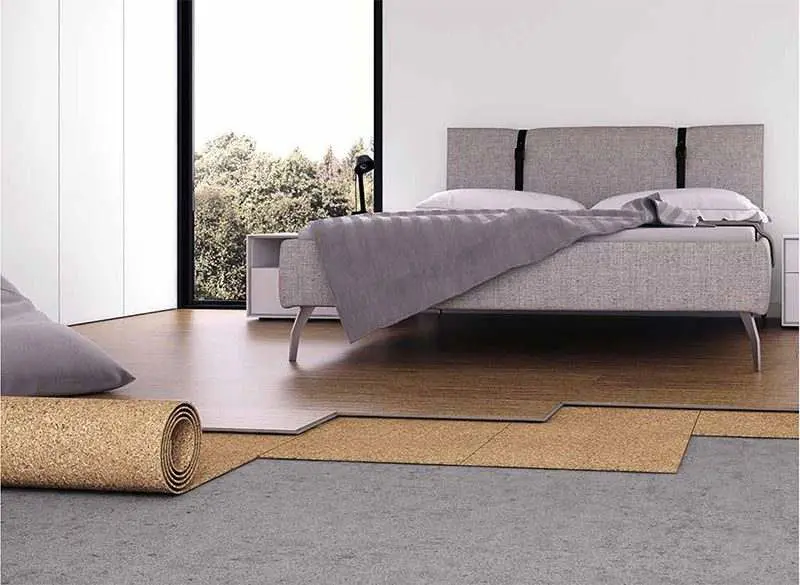
Cork comes in flooring, walling and underlay, so you have the choice of where and how to install it for the best results. Did you know there are quite a few other cork flooring benefits you will enjoy as well. Take a moment and learn more.
The comfort you will enjoy in your home is going to be significantly improved because of cork. Cork slows heat transfer and has a resilient surface that feels more forgiving underfoot than many hard materials.
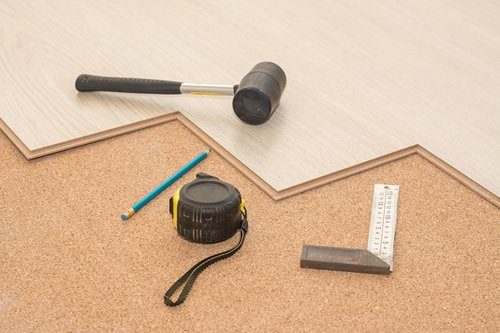
Use this guide to compare cork products, installation methods and options for reducing noise at home.
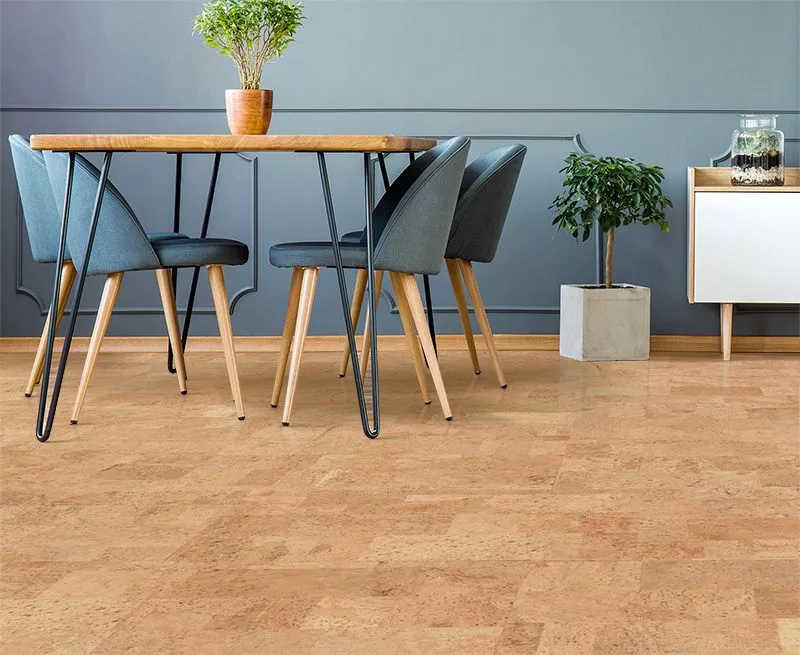
Choose cork for sound control projects
Compare underlayment for floor impact noise and wall panels for room echo. Use test data for the relevant assembly.
Impact noise or room echo?
Identify whether you need to reduce impact noise through a floor or reflected sound within a room. Compare the relevant product and assembly data.
Frequently asked questions
Can cork help with sound control?
Cork can help with sound-control projects when the right product is matched to the problem: underlayment for impact noise and wall panels for reflected room sound.
Is cork underlayment enough to soundproof a floor?
No single flooring layer guarantees soundproofing. Results depend on the full assembly, building structure, thickness, installation method, flanking paths, and project requirements.
Should I choose cork underlayment or cork wall panels?
Choose cork underlayment for floor impact sound planning and cork wall panels for decorative acoustic surfaces that help soften room echo.
 Flooring
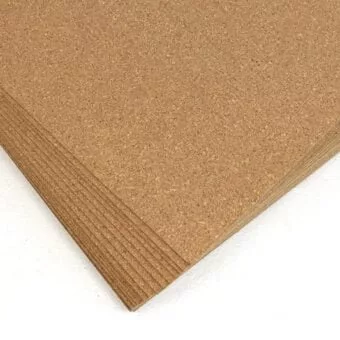 Cork Underlayment
 Supplies & Guides