 Ships Canada-wide

 38% off MSRP
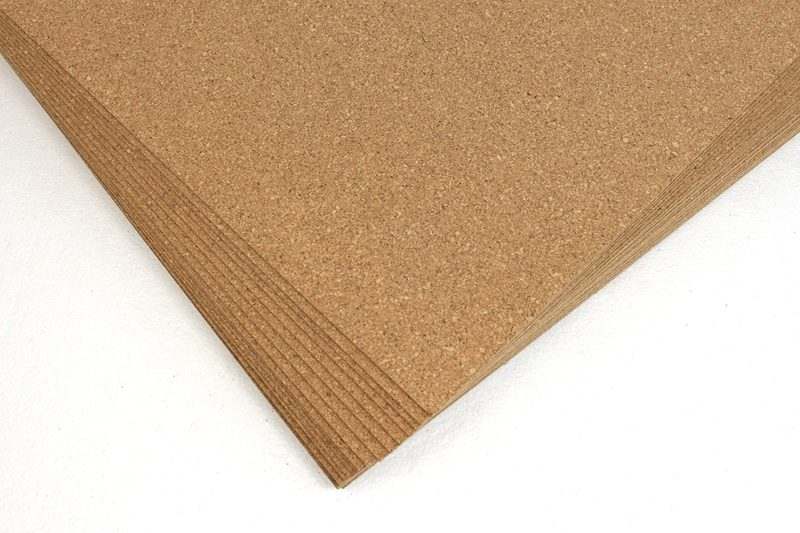
3mm cork underlayment
MSRP $0.79 $0.49 per sq.ft.$73.50 covers up to 150 sq.ft. CAD
$73.50 / pack 150 sq. ft.
Compare thickness, coverage and cost for your floor assembly.
Compare box quantities for your project, using the same cuts allowance as the product calculator.
Confirm your finished-floor manufacturer permits cork underlay and the selected thickness.
38% off MSRP 38% off MSRP 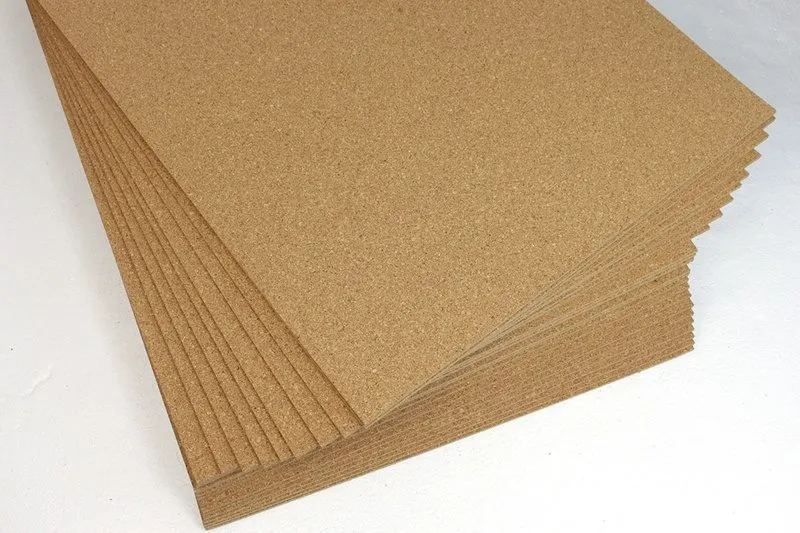 22% off MSRP
 20% off MSRP
From choosing a finish to planning a full order, our team can help.
Get project adviceOpen a flooring or wall-tile product to enter your project area, choose your overage, and review the required boxes or packs and product total before adding to cart. Check the pack size on supplies before ordering.
Use the visible “Order a sample” link on eligible products to see their available sample sizes and prices before placing a full order.
Delivery depends on your products and destination. Review the estimate on eligible product pages and confirm final shipping at checkout.
Floating floors · Glue-down tiles · Wall tiles · Underlayment
Cork underlayment costs $0.49 to $1.99 per sq ft today, in Canadian dollars before tax. Each product shows its price per square foot and per box, and the price depends on the thickness: 3mm, 6mm or 12mm.
Only where the vinyl or laminate maker allows a separate underlay. Some click vinyl planks come with a pad attached and allow no extra layer, so check the floor's installation guide first. Where an underlay is allowed, 3mm cork is the low-profile option; match the thickness and density the floor maker requires.
Mould needs moisture, so the answer is moisture control. Cork underlay is not water resistant, and moisture mitigation must be in place before laying cork over concrete: test the slab first and install the vapour barrier your floor's installation guide specifies. Underlayment does not fix a moisture problem. How to install cork underlayment.
Choose 3mm when floor height is tight, 6mm for stronger everyday acoustic support, and 12mm when impact sound control is the main goal.
Yes. Cork underlayment is commonly used under hardwood and engineered hardwood when the flooring manufacturer and installation method allow an underlay layer.
Cork is often selected for condos and apartments because it helps reduce impact sound while adding a natural, insulating layer below the finished floor.
Cork underlayment, also called cork underlay, is a natural acoustic and thermal layer used under hardwood, engineered hardwood, laminate, vinyl, tile, and cork flooring. Choose 3mm for thin profile projects, 6mm for stronger everyday acoustic support, and 12mm or half-inch cork when impact sound control is the priority.
| Thickness | Best fit | Common use |
|---|---|---|
| 3mm | Low-profile underlay | Laminate, vinyl, hardwood, and light sound control |
| 6mm | Balanced acoustic layer | Condos, apartments, basements, offices, and renovations |
| 12mm | Maximum cork sound control | High-impact noise reduction and demanding acoustic projects |
For help selecting underlay, compare product pages or contact Cancork before ordering.
Cork underlayment in Canada is a natural acoustic and thermal layer for hardwood, engineered hardwood, laminate, vinyl, tile, and cork flooring. Choose 3mm cork underlay for low-profile projects, 6mm for balanced everyday sound support, and 12mm or half-inch cork when impact sound control is the priority. Use cork underlayment in condos, apartments, basements, offices, and renovations where floor warmth and sound control matter.
Condo or strata? Download the Condo & Strata Acoustic Approval Kit — per-thickness acoustic test statements, assembly ratings, certificates, and a cover-letter template your council can file.
Choose whether we may use analytics and advertising data to improve the store and measure campaigns. Necessary store functions always remain available.
Chat with Cancork
Text usOpens your messages appWhatsAppOpens WhatsAppUsually replies in a few minutes
 Flooring
 Cork Underlayment
 Supplies & Guides