FAQ Cork Flooring

Frequently Asked Questions

Question 1: How come your prices are so much cheaper than your competitors’?

You are getting the benefits of a true factory outlet pricing.


TOP

Question 2: Why should I choose a floating floor? What are the benefits?

  1. Ease of installation
  2. Excellent for use in a basement
  3. It installs right over the concrete slab
  4. It does not require a sub-floor, nor underlay
  5. Can be installed directly over laminates or linoleum flooring
  6. It is the best option when laying flooring over in-floor radiant heating
  7. Less fuss than using cork tiles below-grade levels

TOP

Question 3: Why should I choose cork-based flooring?

  1. Cork floors are as durable are longer wearing than other flooring products
  2. They are a produced from a natural product
  3. Environmentally friendly
  4. Cork is produced from a truly renewable resource – peeling the bark from the cork oak does not harm the tree
  5. Cork is hypo-allergenic
  6. Resistant to molds and insects
  7. Insulates against heat, cold, and sound

TOP

Question 4: Can cork flooring be installed in the kitchen or the bathroom?

Our floating cork floors are suitable for the kitchen and bathroom, so long as you take the extra precaution of adding 2-3 additional coats of our polyurethane sealant once you have finished installing your floors. The polyurethane then seals all joints and seams against water or moisture.

Our cork glue down tiles do not require sealing because of our manufacturing process. We finish all of our flooring products with three layers of our high quality polyurethane sealant. That being said, we highly recommend taking a few simple extra precautionary steps to ensure the best finish. In a bathroom, or any high-moisture area, you will wish to seal the flooring surface prior to laying down cork tiles.

Simply apply 2-3 coats of our polyurethane sealant prior to laying your tiles. Once you have finished laying your cork tiles, we recommend you seal the tiles with another 2-3 coats of the polyurethane. It is important to remember to finish off your project by caulking the perimeter of your floor prior to installing your baseboards. This ensures that you have provided the best moisture seal possible.

Congratulations! Your cork tiles are now protected against the damages water and moisture can cause. Now that you have taken these two extra steps, you will want to protect you work from any form of excessive spills or exposure to standing water.

TOP

Question 5: How durable is cork?

Cork is an extremely durable product but like all surfaces it can be show wear. With proper care, a cork floor can provide you with a beautiful floor for years. Many of our customers are pet owners and have never had any problems with claw marks. To further protect your investment you can simply apply additional coats of our polyurethane sealant. If you are concerned about durability we suggest you order some of our free samples and put them to the test.


TOP

Question 6: Will my floating floor sound hollow when I walk on it?

Cork is a natural sound absorber. It will not sound hollow when you walk on it. Both our glue down tiles and our floating floors are perfect for homes with cathedral ceilings. You may also install our cork underlay to further reduce sound levels in your home.


TOP

Question 7: Is cork a good solution for my busy family?

For a busy family, we recommend some extra TLC for your floors. We recommend 2-3 additional coats of our polyurethane sealant after you have installed your floor. This will protect your floors and keep top surface scratches from penetrating to the cork layer below. Once completed, this extra treatment will insure your floors stay beautiful for years to come.


TOP

Question 8: What’s the difference between you cork products and your competitors’?

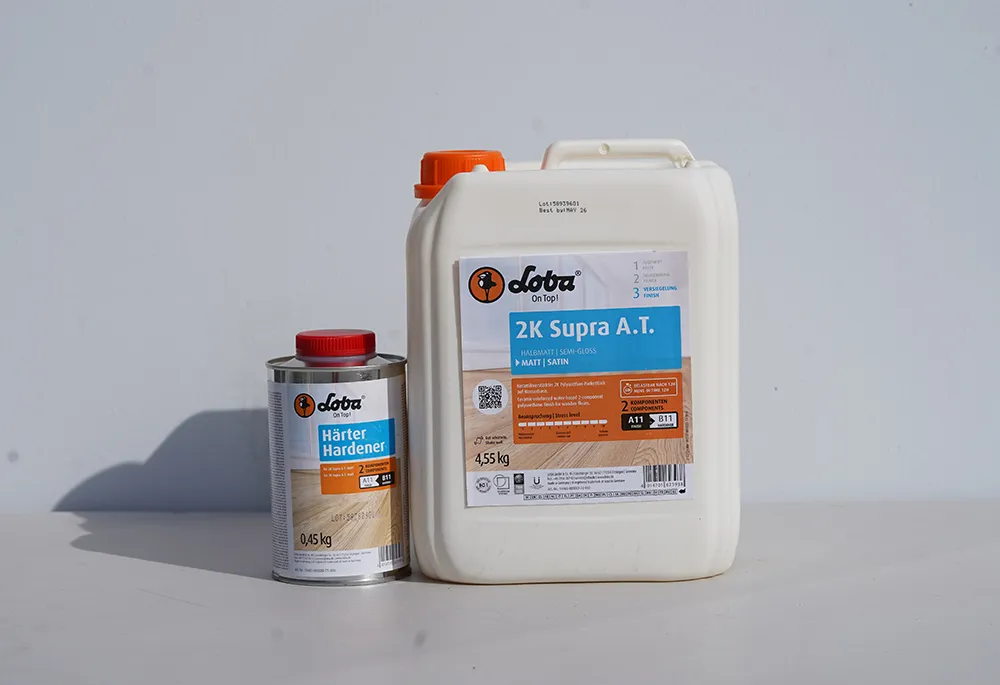
Our finishing! All of our flooring products are finished with three layers of water based polyurethane varnish that is imported from Germany. This water based polyurethane provides a clear finish and does not produce an odor.

You can refinish your floors any time you feel the need. Should your cork floor ever start to look its age, you can always reapply our polyurethane varnish to re-establish your floor’s natural beauty. Water based polyurethanes leave a smaller ecological foot print when compared to the oil based.


TOP

Question 9: Is natural cork flooring a healthier alternative to other flooring?

Natural cork flooring is a great alternative for allergy suffers since dust, mold and insects are unable to establish themselves as they do in carpet. Those of us who suffer from knee, back and/or joint pain, find the combination of our cork flooring coupled with our cork underlay a great alternative to standing on cold tile or linoleum. Parents with small children find extra peace of mind in cork’s anti-mold and anti-mildew properties. Seniors, or anyone at risk for falls, are find comfort in knowing that cork floors offer a level of safety that other hard flooring products can not offer. Cork flooring may make the difference between a small bump or serious injury.


TOP

Question 10: Why do I need to put a polyurethane finish on my floating floor?

We recommend you apply 2-4 applications of our polyurethane to all our cork floors. This seals all seams, provides a waterproof coating and helps prevent scuffing or denting. It also extends the life of your cork floor. Should your floor become heavily scratched or damaged, you can always restore it through refinishing - just as you would a hard wood floor.

Always use a water based polyurethane versus a solvent or oil based product. Water based polyurethane is free of noxious odors, dries faster and will not discolor over time.

TOP

Question 11: Will my pets damage the cork floors?

We have yet to hear any follow-up complaints from our clients! All of our cork products are finished with three coats of high-quality water based polyurethane.

Good maintenance and a polyurethane finish will help prevent scratching.

TOP

Question 12: Will cork flooring resist heavy furniture or high heels?

Cork flooring is produced in a density high enough to withstand heavy traffic and weight. One of the characteristics of cork is that it has a "memory" and therefore recovers well from compression - very much like a wine cork expands after being pulled out of a bottle. A polyurethane surface finish further protects the cork and allows for easy maintenance. Over time, heavy furniture will leave an indentation in your cork floor. So we recommend that you use a floor protecting pad which will disperse the weight and prevent indentations. Like any floor, cork can be punctured by sharp objects and damaged by the rough finish of furniture feet. Nevertheless, just like other flooring materials, we recommend the use of protective pads under furniture legs.

Most shoes will not damage cork flooring but stiletto heels may leave an indentation. We recommend that you remove any pointy heeled shoes.


TOP

Question 13: Are cork floors affected by moisture and temperature changes?

Just like wood, cork floors are subject to expansion and contraction due to climate. During hot seasons, moisture is lost and the tiles may contract slightly showing seam lines. When moisture levels increase, the tiles will expand.

As a rule, cork flooring is more stable than wood flooring because when wood expands, it does so only in the direction of the grain. With cork, the expansion and contraction process is dispersed in all directions. With proper acclimatization, installation and maintenance, any expansion and contraction will not be noticeable.


TOP

Question 14: Can you install a cork floor over radiant heat?

Yes. Forna Cork Floating Flooring and Cork Glue-Down Tiles are suitable for use with in-floor heating.

To Install Forna Cork Floating Flooring over a radiant heating system, certain precautions need to be taken to minimize the contraction and expansion. Prior to installation, the slab needs to be heated and maintained at desired room temperature for 48 to 72 hours with the flooring in the room to acclimatize. You will need to leave the radiant heat ON for 24 hours AFTER installation is complete.

Installing radiant heat poses no problem. The cork floor may take slightly longer to warm up but it means the floor will then retain the heat longer. This makes the cork floor more energy efficient.

It should be pointed out that the flooring installed over in floor heating might gain moisture or dry out faster. Use of a humidifier is suggested.

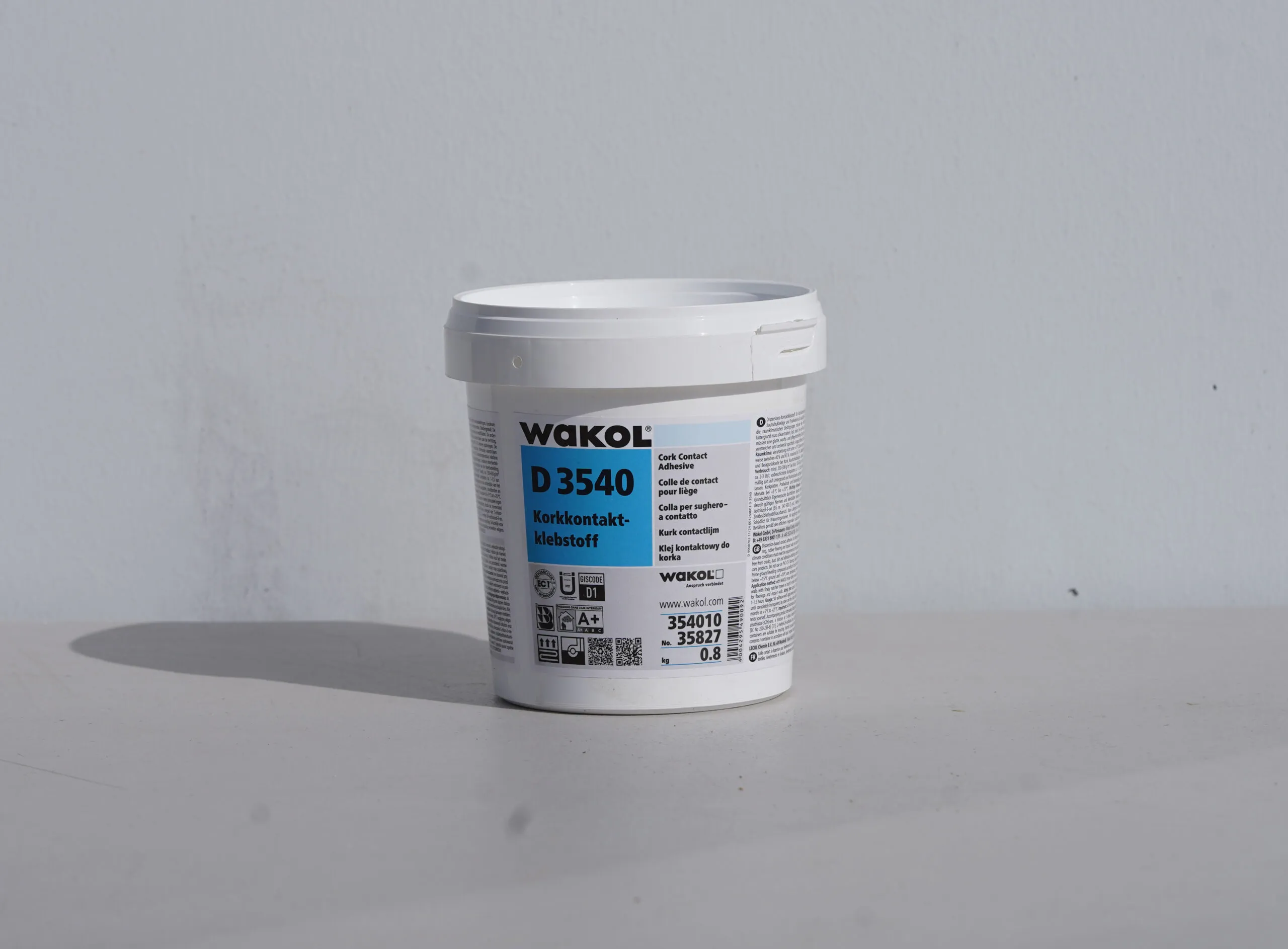
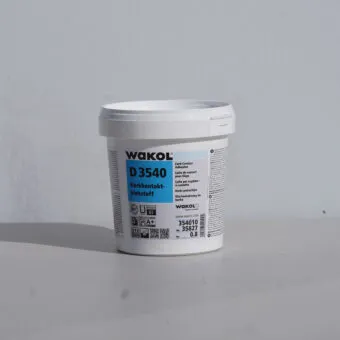
If Install Forna cork glue-down tile over a radiant heating system, the Wakol W3540 Cork Flooring Adhesive is recommended


TOP

Question 15: Is cork underlay a good choice for soundproofing?

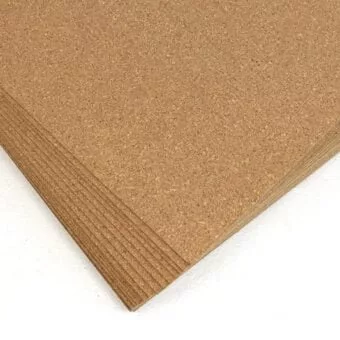
Absolutely! Our 5mm cork is widely used for sound reduction in buildings. It is a very economical and effective way to meet building codes for sound control. Cork underlay can be used under tile, marble, laminate, cork and hardwood floors. For rooms with high ceilings, cork flooring with cork underlay is a perfect choice to eliminate the echoing quality that hardwood flooring creates.


TOP

Question 16: Can I wax my floor?

Not with our Cancork Floors products. Because we finish our products with 3 layers of high quality water-based polyurethane varnish, there is no need to wax. If you feel you wish to pep up the look of your cork floor, simply apply another layer or two of a water-based polyurethane varnish and watch your original factory finish come back.


TOP

Question 17: How to move heavy objects (fridge or stove) over your flooring?

If possible, you should lift and place your object into its new location. If this is not an option for you, simply lay down a hard surface, such as plywood, to create a path to the new location. You will want to make sure the plywood is large enough to disperse the weight of the object. You may also want to place a moving blanket under the plywood to prevent any it from leaving scratches.


TOP

Question 18: Are cork floors new; or have they been around and I just haven't heard about them?

Cork floors have been used since the early 20th century. The Japanese and Europeans are particularly familiar with cork flooring. More recently cork floors have become very popular in North America and Australia and are now being sold around the world.


TOP

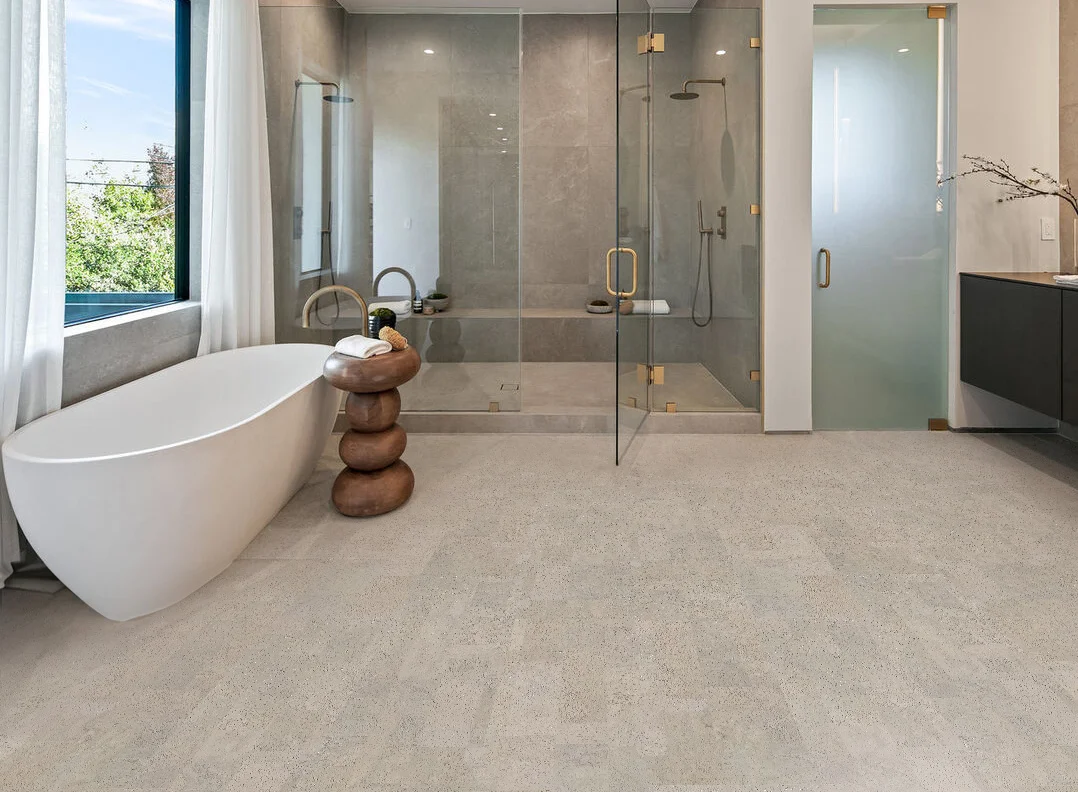
Question 19: Is cork flooring suitable for kitchens and bathrooms?

Yes. Our cork flooring is suitable for all rooms - both residential and commercial. Kitchens are one of the most common rooms for cork flooring installations since it is comfortable to stand on, easy to clean, easy to maintain and is forgiving enough to prevent dishes from breaking should one fall to the floor. Surface water spills do not harm cork flooring. Simply wipe up as you would on any other floors.

Cork flooring is well suited for bathrooms because it is warm underfoot. If you anticipate heavy water spills, such as much splashing by children in bathtubs, we recommend that, after installation of your cork floor, you caulk the perimeter of the room prior to installation of moldings or base boards.


TOP

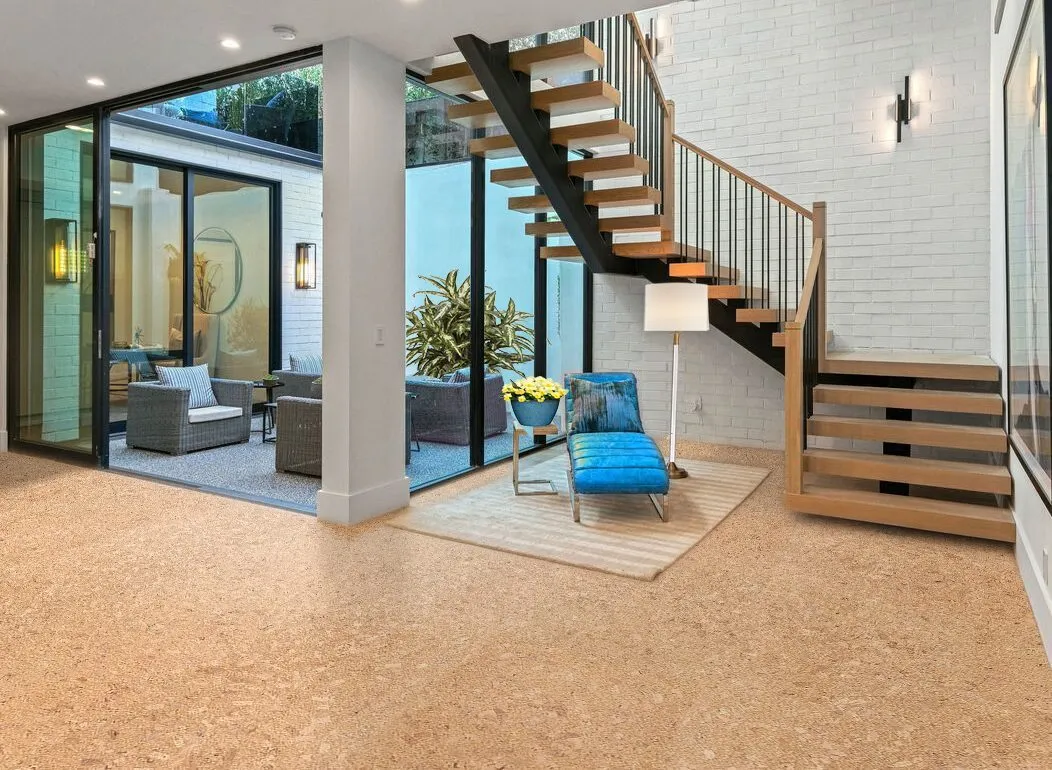
Question 20: Can we install a cork floor in the basement?

We recommend that you install a Cancork floating floor in your basement. This can be done with a few minor precautions. Due to the risk of moisture migration from the concrete slab, a floating floor should be placed over a moisture barrier. This will provide you with trouble-free flooring.

If you wish to use glue down cork tiles in your basement, you can do so but we would recommend that you first place a moisture barrier over the concrete slab and on top of this barrier you install plywood sub-floor. You then glue the cork tiles to the sub-floor.


TOP

Question 21: Is the color of all cork flooring consistent?

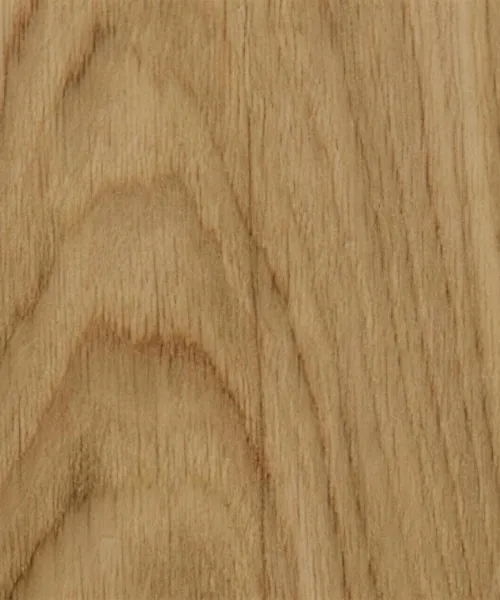
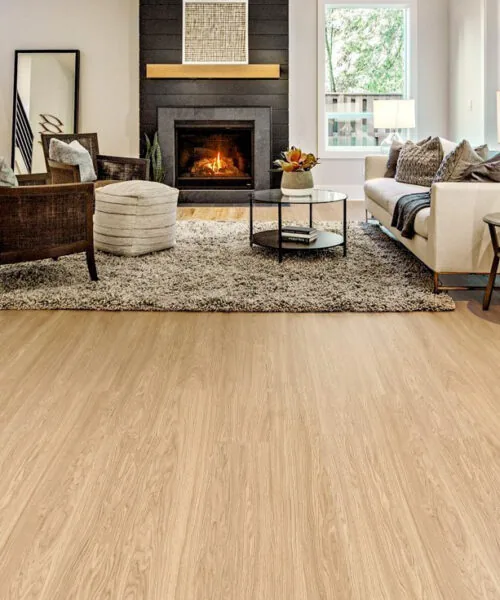
Cork flooring is a natural material. You need to keep in mind that each cork tree sheds its cork-bark in its own unique way. Shade variations are an inherent, and attractive, characteristic of all natural products - whether cork, wood or bamboo. Color variations are to be expected. Each panel of cork bark will accept our finishing process in a similar manner, but never as an exact match. For best overall color or shade appearance you will want to intermingle your flooring from several boxes at a time. Laying out your cork floor prior to installation will ensure you get the look that is right for you.


TOP

Question 22: Is there any formaldehyde in your products?

Our products meet the European E1 and E0 Formaldehyde Emission Standards for Green Flooring. The Formaldehyde Emission Standards is less than 0.5 mg/L. Our products have been tested at less than 0.1mg/L. In our manufacturing process we use German edible-grade water-based polyurethane adhesive that is used to process wine corks.

In fact, there is less formaldehyde in our product than there is in an apple or in a bottle of beer.


TOP

Question 23: Does cork flooring require underlayment?

Forna cork flooring does not require underlayment. It only requires a vapor barrier in the form of a plastic sheet.


TOP

Question 24: What makes cork such a good insulator?

The cellular nature of cork flooring allows warmth to be held in, making it a very warm flooring to walk on, even in winter months. Another aspect of the kind of insulation cork flooring provides is it is a natural sound barrier. This makes for almost silent footfalls and can have a significant quieting effect in areas which are normally associated with echoes and other distracting ambient sounds - such as in foyers and hallways.


TOP

Question 25: Can I install my cork flooring myself?

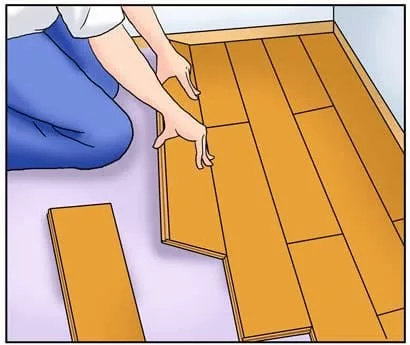
Absolutely! If you have ever installed a laminate floor then you can install our floating floor system. Forna cork flooring comes with the UniClic locking system which makes for ease of installation.


TOP

Question 26: I want to install cork glue down tile in my basement. Is it possible to put a cork underlayment underneath?

Certainly. This would be called a double stick installation. You may want to consider the floating cork panels which are faster and easier to install. Add that to the extra cost associated the adhesives for a double stick installation, it might even save you $$$$!


TOP

Question 27: How does cork flooring hold up with pets and their “accidents” on the floor? Their urine has ruined my carpets?

Cork flooring may be a good choice. If pet accidents are a concern for you, we suggest you seal the joints of your cork floor with our water-based polyurethane varnish. Any extra work you do to seal against moisture will work to protect against “accidents” – of any kind.


TOP

Question 28: How to clean cork floor?

You would care for the Forna Cork flooring just like you would care for any other floor finished with polyurethane. Regular mopping with a damp mop will be enough to keep your cork flooring clean. Avoid harsh cleaning agents. The most important thing to remember is not to use too much water in mop. Try to clear obvious messes quickly. Spills can be absorbed with a sponge or paper towel to avoid the possibility of permanent stains.


TOP

Question 29: Can I adhere cork glue-down tiles to particle board? What adhesive you would recommend using?

Particle board is not the best subfloor to use under our cork tiles. Install a 1/4inch luan board or plywood over the particle board and glue the Forna Cork Tiles to the luan board or to the plywood with our water-based WAKOL D 3540 Cork Flooring Adhesive.


TOP

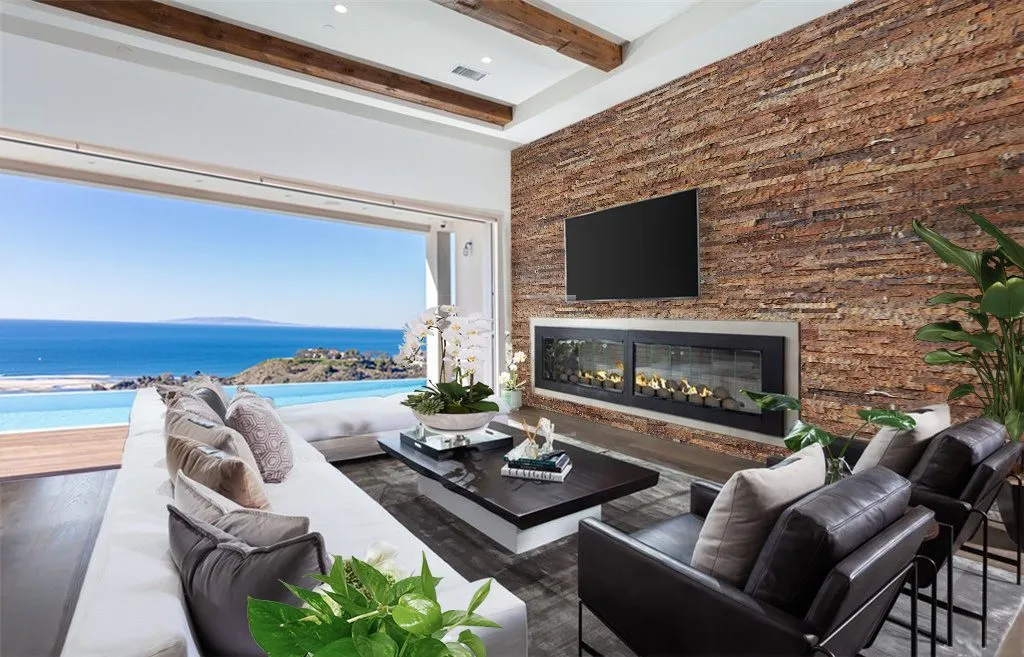
Question 30: Can I use Forna glue-down tile as wall tile?

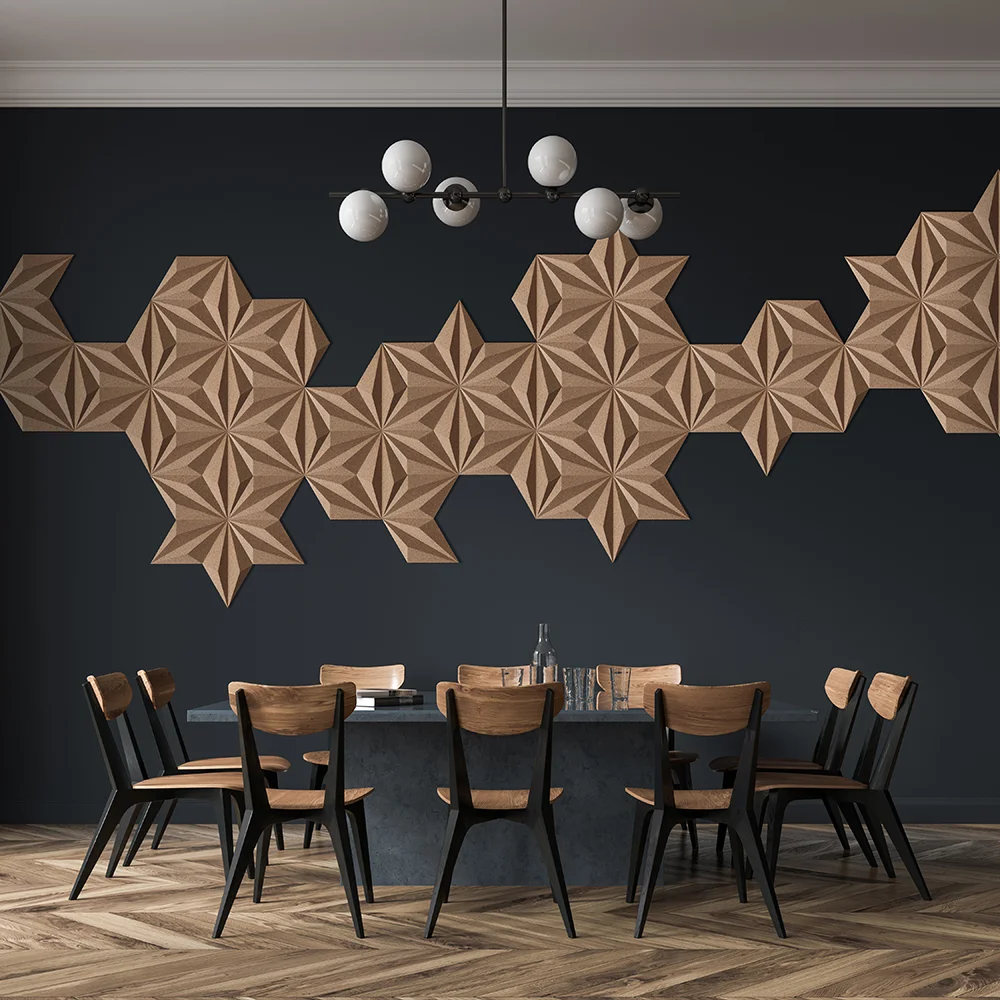
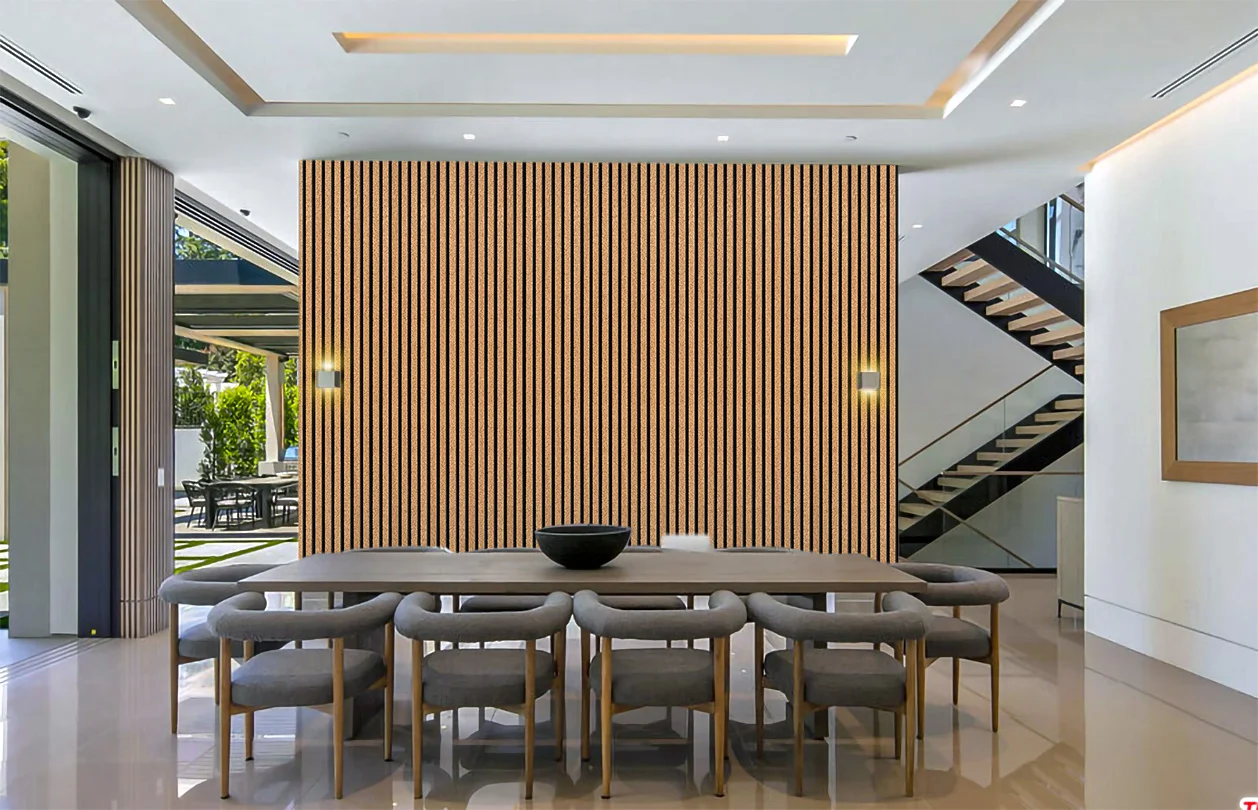
Yes, but don’t try it the other way around! You can use any of our glue-down tiles as wall tiles but you cannot use cork wall tile as floor tiles. Many people have used our cork tiles to produce stunning wall effects. Cork’s natural sound barrier makes it a double plus when used on walls.


TOP

Question 31: Can Forna cork tiles be used for shower walls?

Sorry, wrong type of tile. Cork may be a versatile product but we do not recommend the cork tiles for shower walls.


TOP

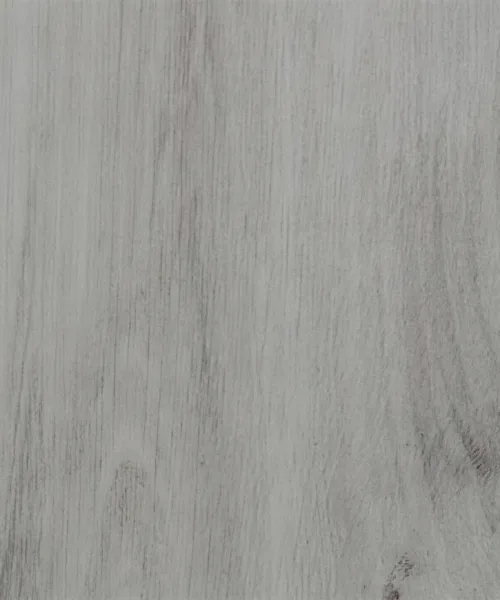
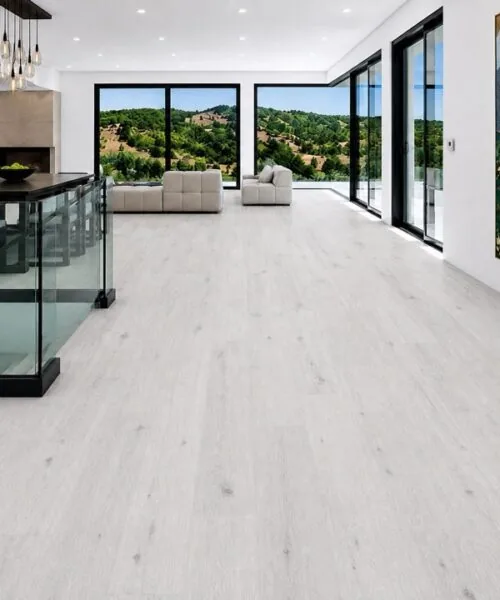
Question 34: Can this product be sanded? Only the beach colors (Golden Beach, White Beach/Ivory White, or Black Beach) can be sanded. TOP

Question 32:Would Forna cork tiles work well for shower walls?
Answer:I'm sorry, but we would not recommend the Forna Cork tiles for shower walls.
TOP

Question 33: Is this cork glue down tile good for bathroom floors?
Answer:The flooring can be installed in a climate controlled basement over dry concrete. However, installation on concrete surfaces, below grade or in a bathroom environment will be adversely affected by moisture. Even though moisture will not affect the cork tile itself, excessive and continuous moisture presence could adversely affect the tile coating in the long run and will not be covered by the warranty.
TOP

Question 34: Can this product be sanded?
Answer: Only the beach colors (Golden Beach, White Beach, Black Beach) can be sanded. You can simply renew the cork flooring apply few more coating of water based polyurethane.
TOP

Question 35: What can I do to make old cork floor "come to life"?
Answer:The Forna Cork flooring can be renewed with floor grade water base polyurethane after 5-10 years. If your finish looses its' luster over time a new finish can be applied over the old finish.
TOP

Question 36: How well does cork flooring hold up to vacuuming?
Answer:It will hold up well to a vacuum that is safe for a finish floor.
TOP

Question 37:Is cork glue-down good for staircase?  How is it installed?
Answer:It It could be glued directly to your steps, but at this time we have no stair nosing to compliment the Forna cork flooring. You may have to use aL shape gold metal carpet transition to finish off the square edge of the treads..
TOP

Question 38: Can I also install floating Cork on my steps?
Answer:The cork can be installed on the steps by using one of  stairnoses and gluing the floor directly to the steps using a Urethane adhesive.
TOP

Question 39: Can cork tile be installed over sheet vinyl or linoleum tiles?
Answer:It We do not recommend this. Residue built up on the surface of the vinyl or linoleum could interfere with proper bonding of the adhesive, causing it to delaminate over time. 
     
 If you are set on installing cork tile you may follow one of these options: 

  1. Apply a new sub-floor made of plywood
  2. "Flood" with Portland base cement floor leveler
  3. Remove the existing vinyl
  Creating a new sub-floor is often costly and time consuming. We recommend in this case that you use Forna Floating Floor as it can be installed directly over the existing floor. While a Floating Floor is a more costly material, you will save you time and money on the sub-floor preparation. Just make sure that your existing floor is level. Cork floating flooring can be install over any sub-floors but carpet as long as the sub-floors are smooth, level, and stable no loose tiles. Place 6 mil poly sheeting over the ceramic first and then install the flooring over the 6 mil poly sheeting


TOP

Other Cancork Website by Cancork Floor Inc